3 hr
Silfra Fissure Snorkeling Tour with Underwater Photos
- Entry ticket
- Mobile voucher
- Valid same day
- Free cancellation
Silfra Fissure Scuba Diving — Drysuit Dives & Snorkel Tours
Two continents drift apart, and you float between them.
Compare fares, pick the fit — all bookings are mobile-voucher and eligible for free cancellation where shown.
3 hr
5 hr 30 min
3 hr
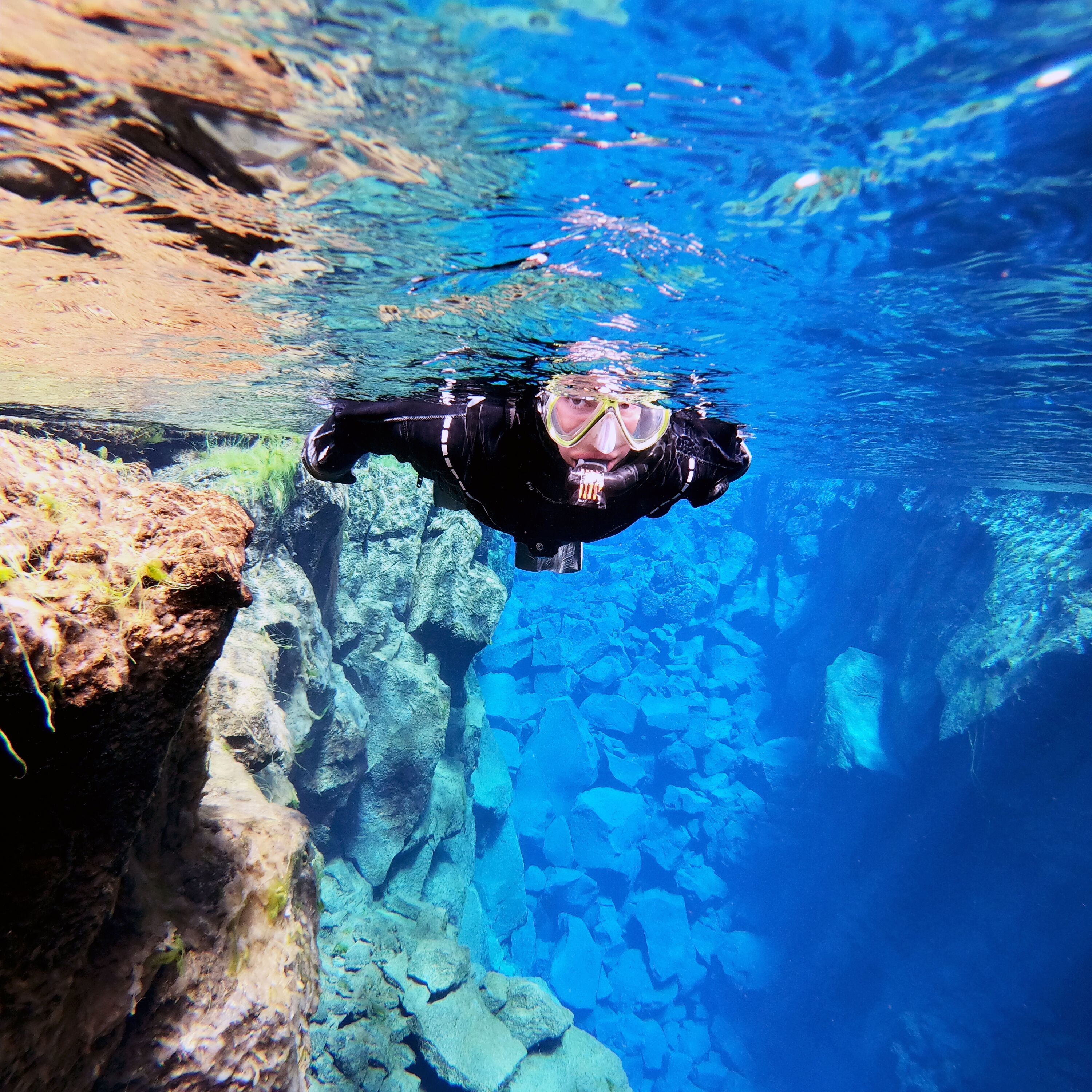
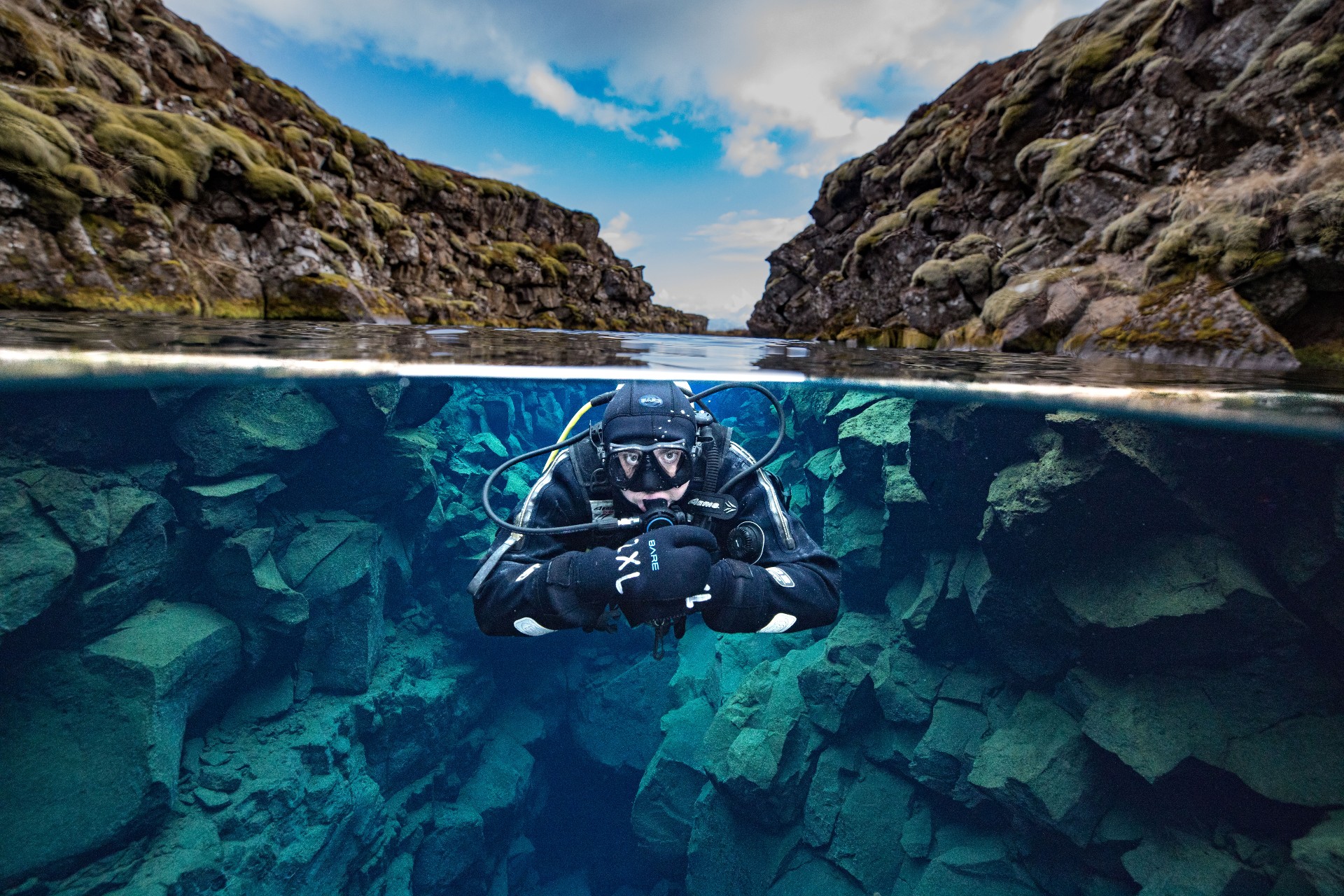
For certified drysuit divers, silfra fissure scuba diving offers an opportunity to descend between tectonic plates. This rift dive showcases the visibility of the glacial water. To make the most of your time, each silfra fissure scuba diving tour is fully guided. All necessary thermal equipment and park permits are included. If you do not have a drysuit certification, you should purchase silfra fissure scuba diving tickets for a drysuit snorkeling experience. This allows you to drift peacefully above the deep chasm.
|
Top pick Snorkeling Permit Surface Float |
Scuba Diving Permit Deep Fissure | |
|---|---|---|
| Water depth | 0 meters (surface drift) | Up to 18 meters |
| Required credentials | None (must be able to swim) | PADI Open Water & Drysuit Specialty |
| Arrival window | 09:00–14:00 for optimal visibility | 09:00–14:00 for optimal visibility |
| Water duration | 30 to 40 minutes | 30 to 45 minutes |
| Park fee | 1,500 ISK permit included | 1,500 ISK permit included |
| Key sections visited | Big Crack, Hall, Cathedral, Lagoon | Big Crack, Hall, Cathedral |
| Best for | Families, beginners, and non-certified swimmers | Experienced certified drysuit divers |
| See tickets & prices |
Verdict: We recommend snorkeling for first-time visitors. However, certified drysuit divers will get the most out of booking silfra fissure scuba diving tours to explore the deep rocky crevices.
Worth it for certified divers; others should snorkel
Start with the only fixed number: the Silfra permit costs 1,500 ISK per person. Everything above that buys a guide, drysuit rental, and liability cover, which is why silfra fissure scuba diving reads as expensive on paper. The geology earns some of it. Glacial meltwater filtered through porous lava for decades gives visibility past 100 metres, and you swim a rift where the North American and Eurasian plates pull apart inside UNESCO-listed Thingvellir. Silfra fissure scuba diving tours also demand a logged drysuit certification, a signed medical form, and tolerance for roughly 2°C water. Few visitors clear that bar. That is why the silfra fissure scuba diving tickets bookable here are snorkelling trips, and why most people should take one. The fissure is shallow and the water is clear enough that köfun í Silfru rewards divers mainly with depth and the swim-throughs, not with a better view.
Bottom line: Book a silfra fissure scuba diving tour only if you already hold a drysuit certification — everyone else sees nearly the same rift, on the same 1,500 ISK permit, by snorkelling.
They complement each other, but most visitors without certifications find that snorkeling tours offer the same crystal-clear views with far less gear. Booking silfra fissure scuba diving tours requires advanced drysuit training to navigate the deeper volcanic depths between the continental plates.
|
Top pick Scuba Diving |
Silfra Snorkeling | |
|---|---|---|
| Certification required | Drysuit & Open Water certified | None (must be able to swim) |
| Depth reached | Max 60 feet (18 m) | Surface level only |
| Water visibility | Over 300 feet (100 m) | Over 300 feet (100 m) |
| Equipment bulk | Heavy (tank, BCD, weights, drysuit) | Moderate (drysuit, mask, snorkel, fins) |
| Price per person | From 34,499 ISK | From 17,990 ISK |
| Minimum age | 17 years old | 12 years old |
| See tickets & prices |
Verdict: For certified divers, selecting a silfra fissure scuba diving tour is the best way to touch both continents, but those with limited time or no license should book silfra fissure scuba diving tickets for a snorkeling alternative that still showcases the flawless glacial water.
Hand-picked experiences loved by thousands of travelers
2.5 - 6 hours
Free Cancellation
Snorkel through crystal-clear glacial water between tectonic plates in Iceland's famed Silfra fissure.
4.5 hours
Snorkel between two continents in Silfra's crystal-clear waters, with photos included.
2.5 hours
Free Cancellation
Snorkel the crystal-clear waters of Silfra fissure with warm dry gloves and a small private group.
3 - 5 hours
Free Cancellation
Scuba dive through the crystal-clear Silfra fissure in Thingvellir, right between two tectonic plates.
4 - 6 hours
Free Cancellation
Dive between two continents in Silfra's glacier-fed waters with a certified dive master guide.
Snorkel between tectonic plates and explore Iceland's Golden Circle in one action-packed day.
5 - 10 hours
Free Cancellation
Snorkel between tectonic plates in Silfra, then explore a hidden lava tunnel beneath Iceland.
11 hours
Free Cancellation
Snorkel between tectonic plates then explore the Golden Circle in a private, flexible day tour.
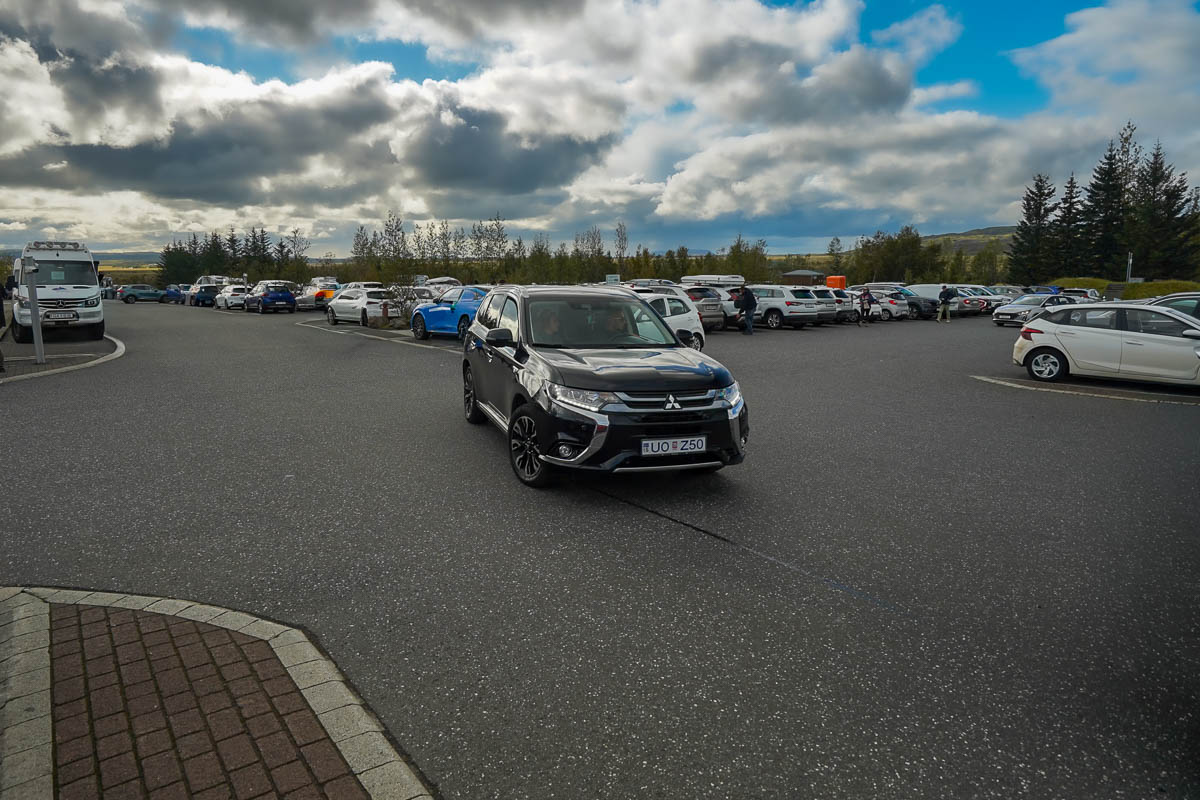
Meet your guide at the P5 parking lot, sign waivers, and undergo sizing for the undergarment and dry suit.
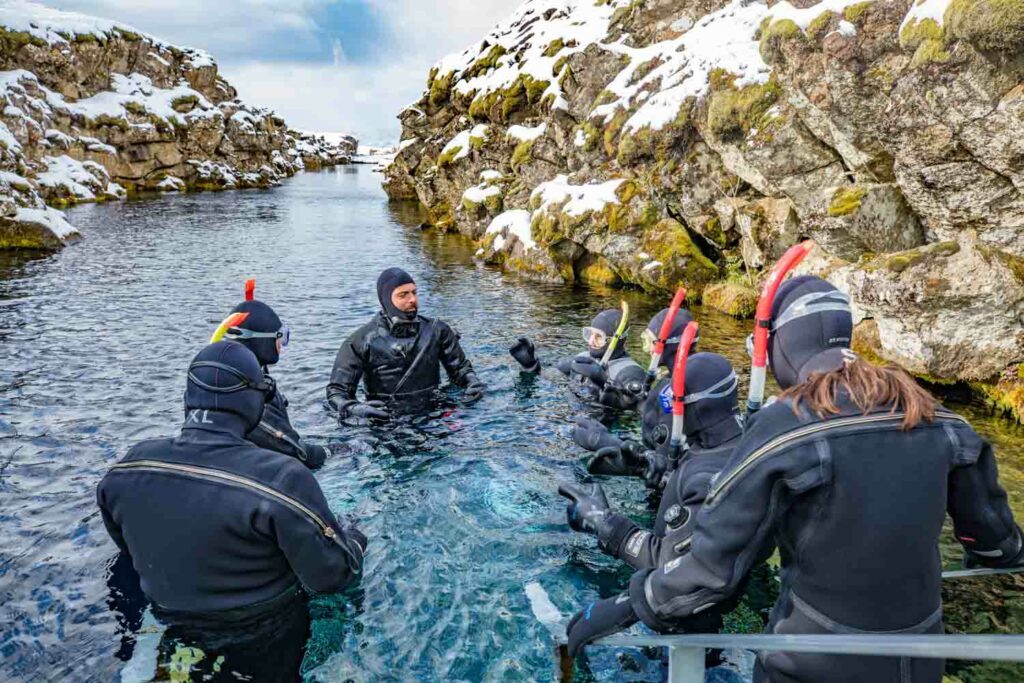
Receive a safety briefing covering dive routes, buoyancy control, and emergency procedures before putting on the dry suit and scuba gear.
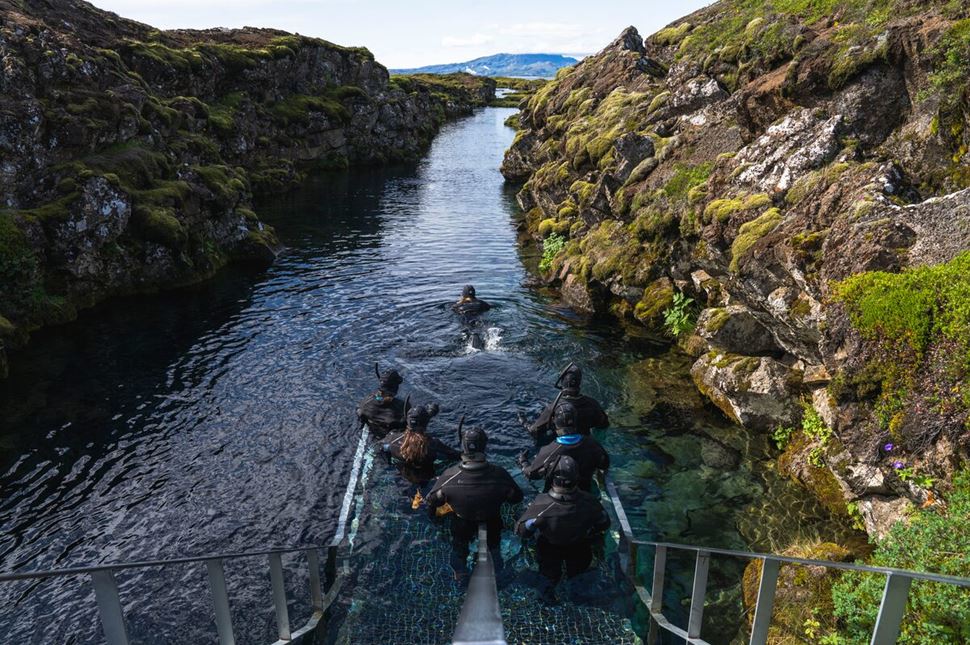
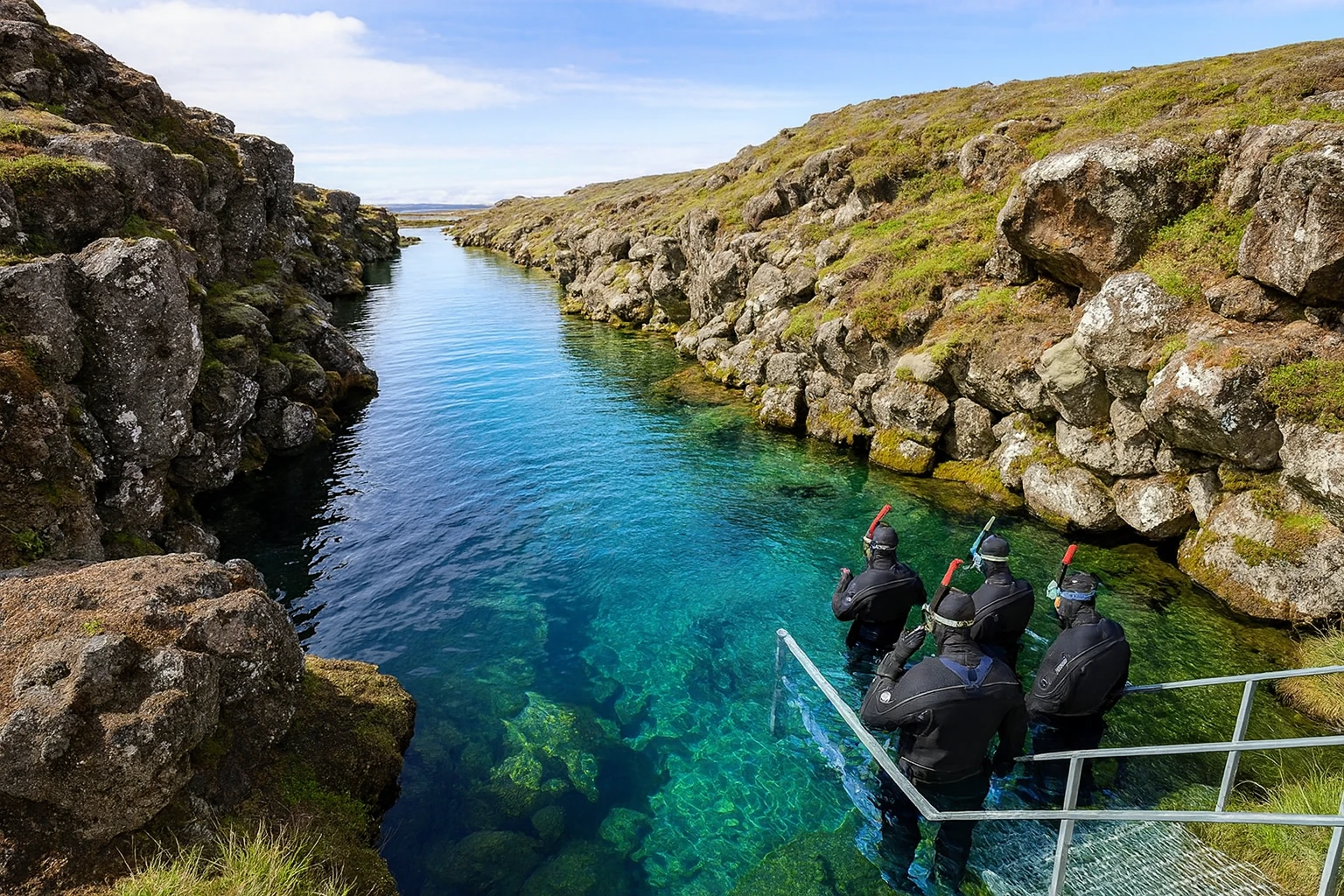
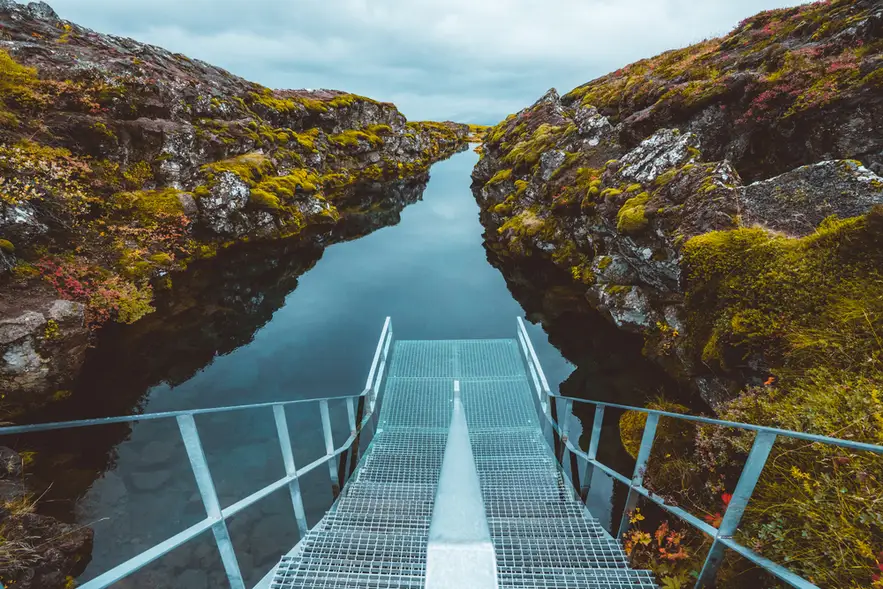
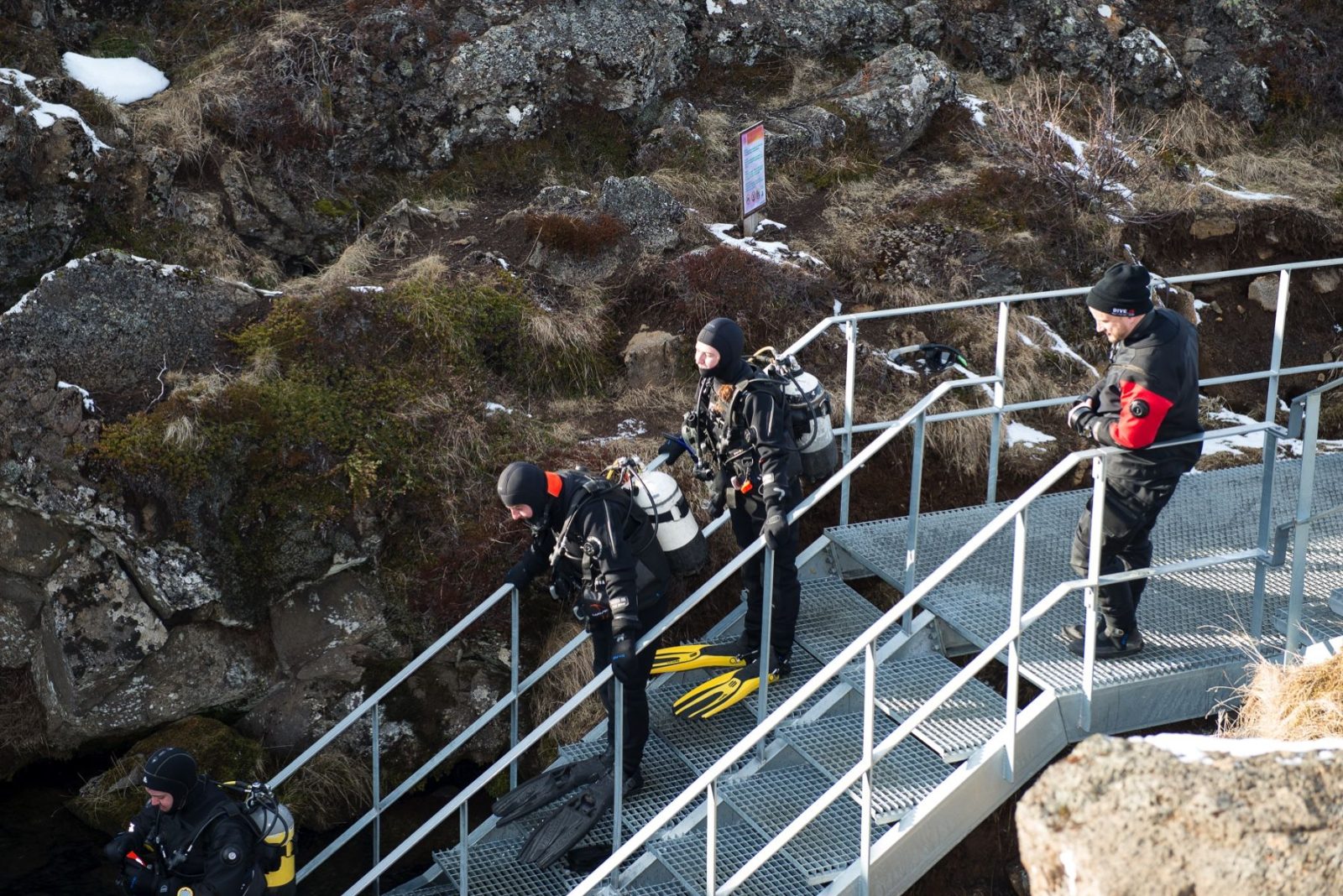
Walk 100 meters to the metal staircase and enter the water to perform a buoyancy test on the submerged platform.
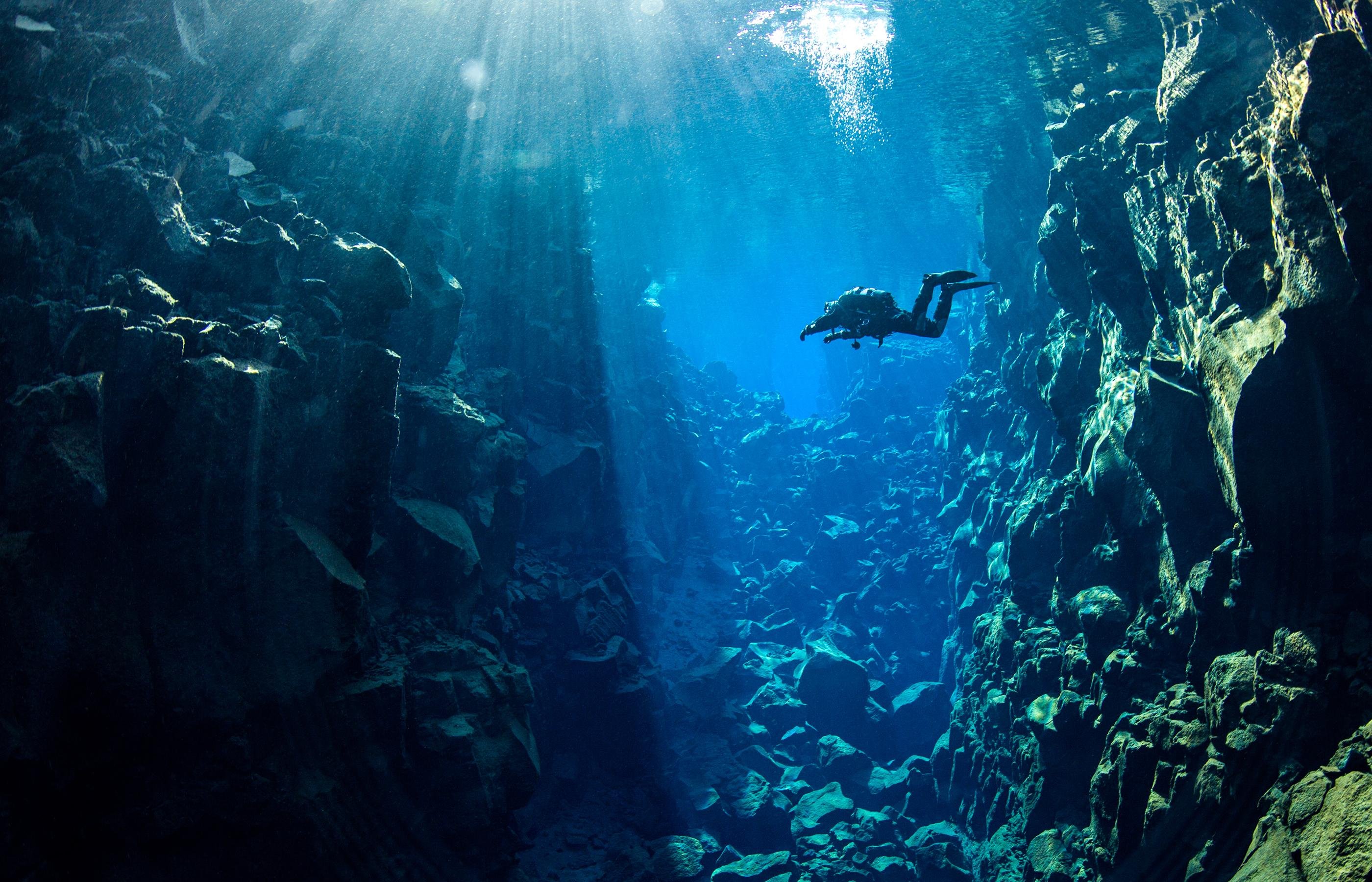
Dive through the Big Crack, Hall, and Cathedral sections, enjoying visibility up to 100 meters in the glacial meltwater.
Exit the water via the Lagoon platform, walk back to the staging area, and enjoy hot drinks and cookies.
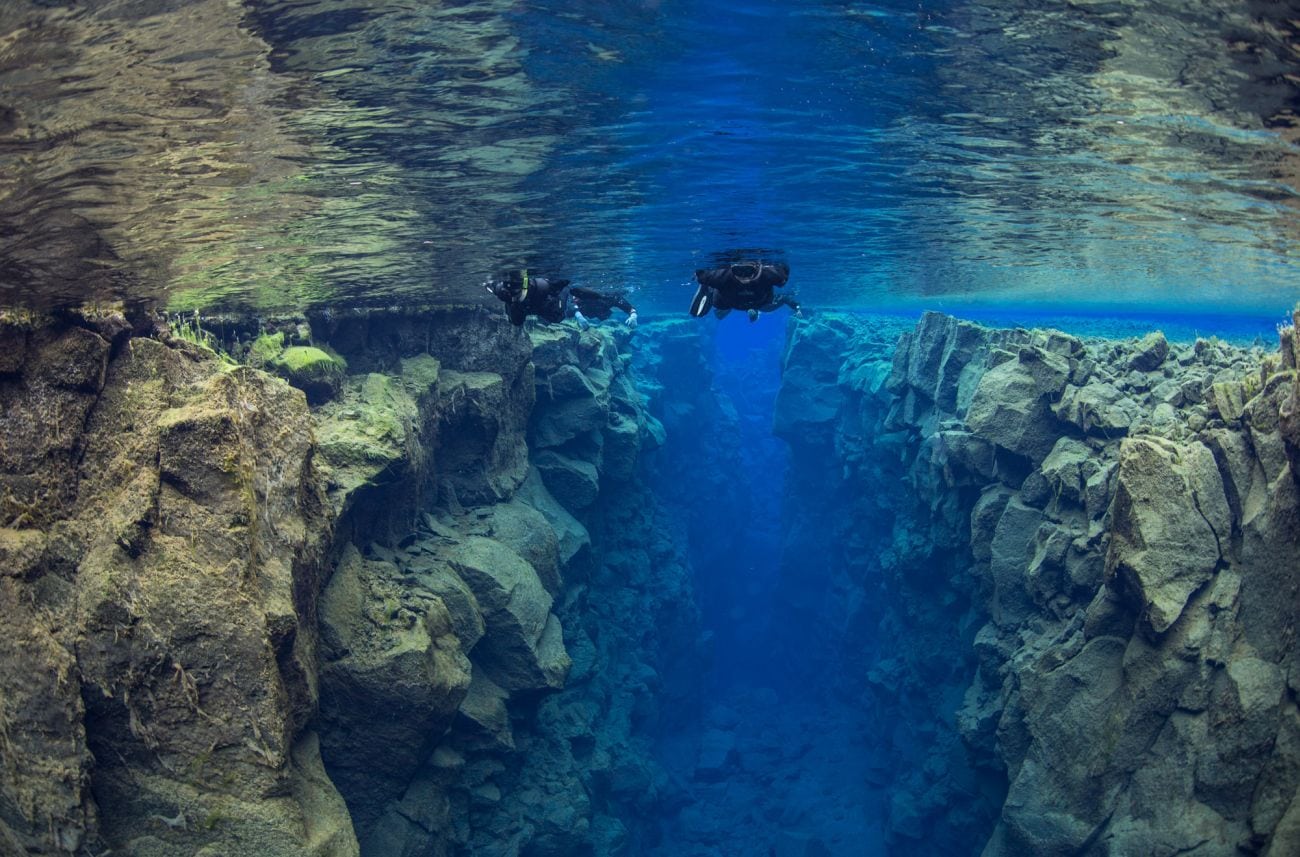
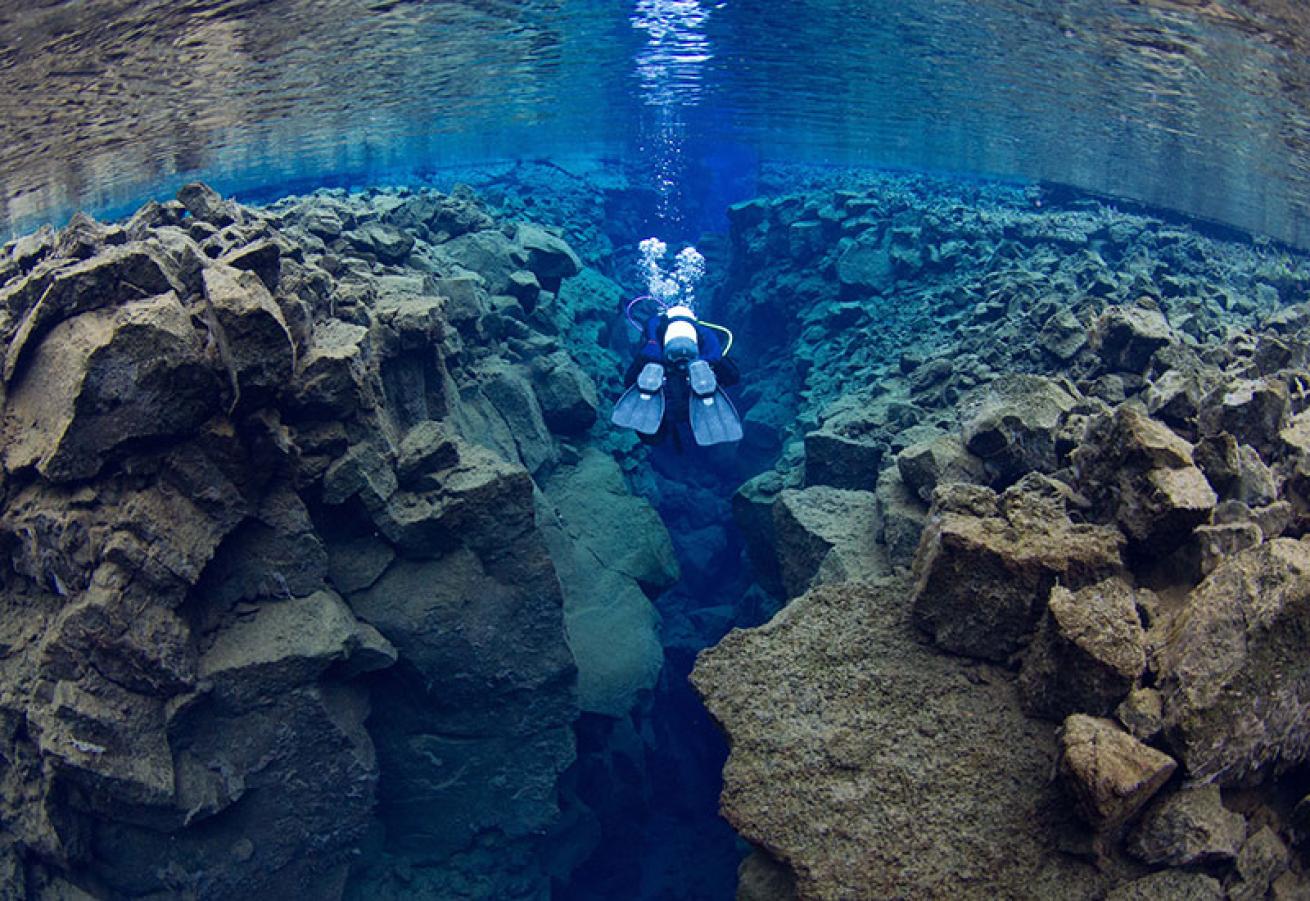
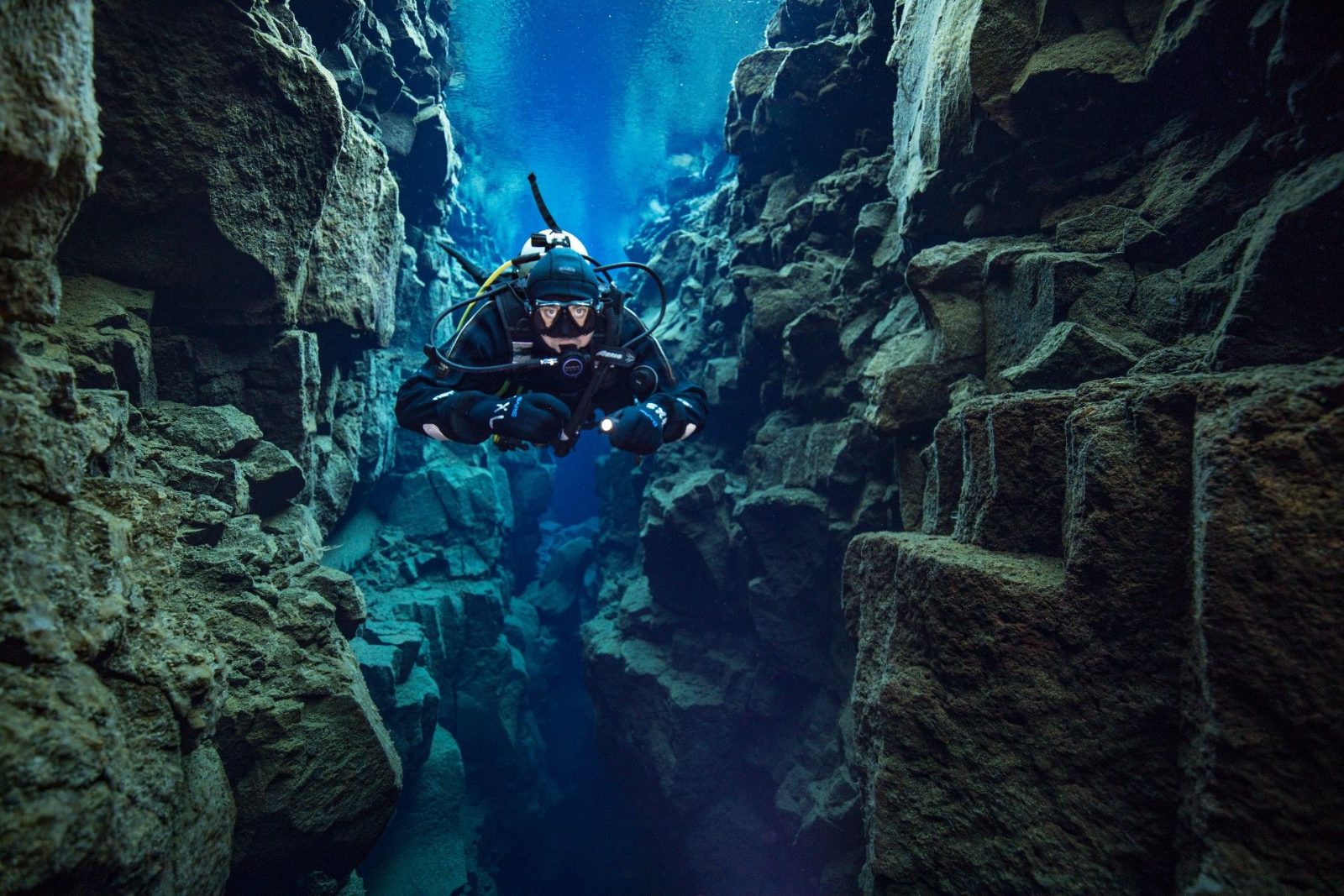
This is the narrowest section of the fissure where the North American and Eurasian tectonic plates are closest. Divers can descend into a deep rift where the walls are barely a few meters apart, showing dramatic volcanic rock layers. The opening was shaped during a major earthquake in 1789.
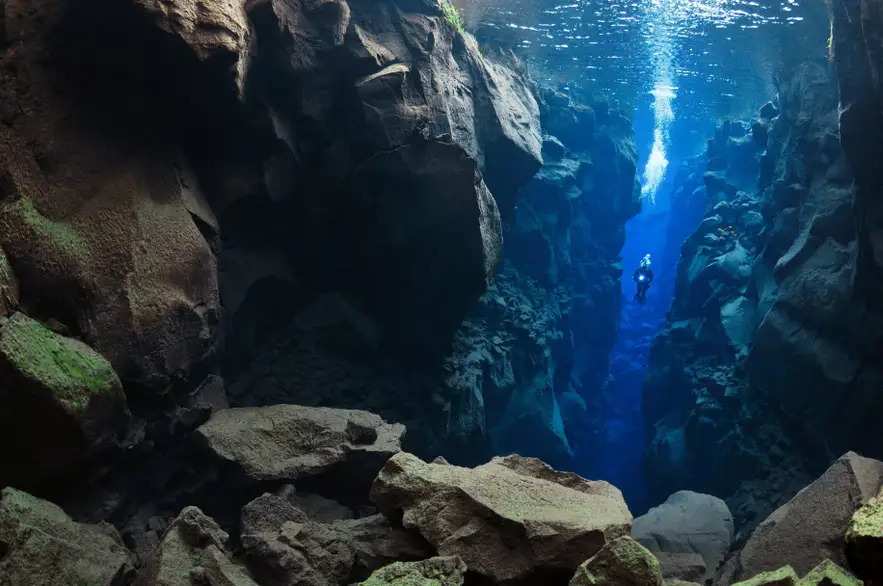
This section opens up into a wider corridor with towering rock formations on both sides. It connects the entry point to the deeper cathedral section and leads to an extensive cave system reaching depths of up to 45 meters. Sunbeams filter through the water to illuminate the basalt blocks.
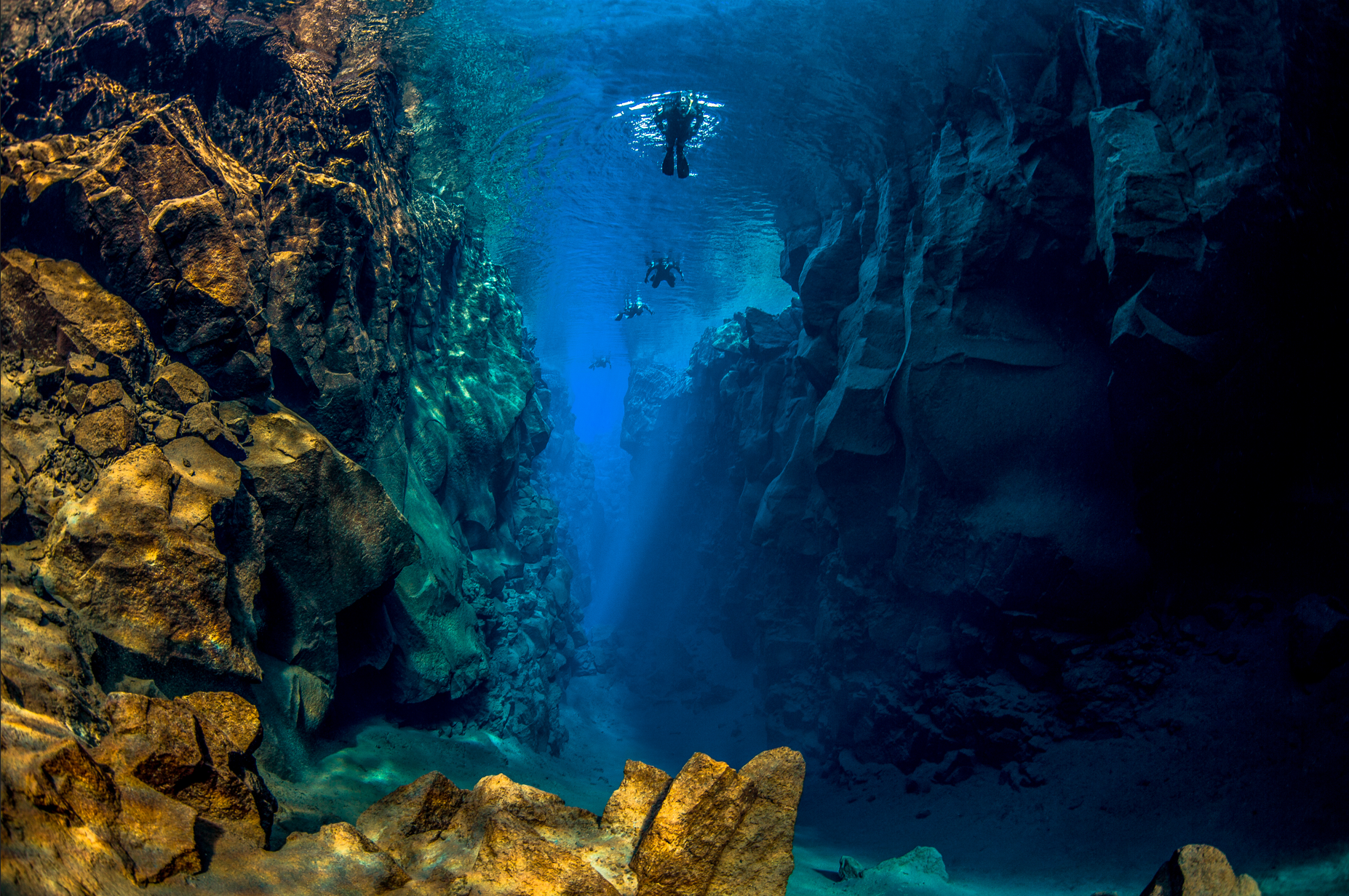
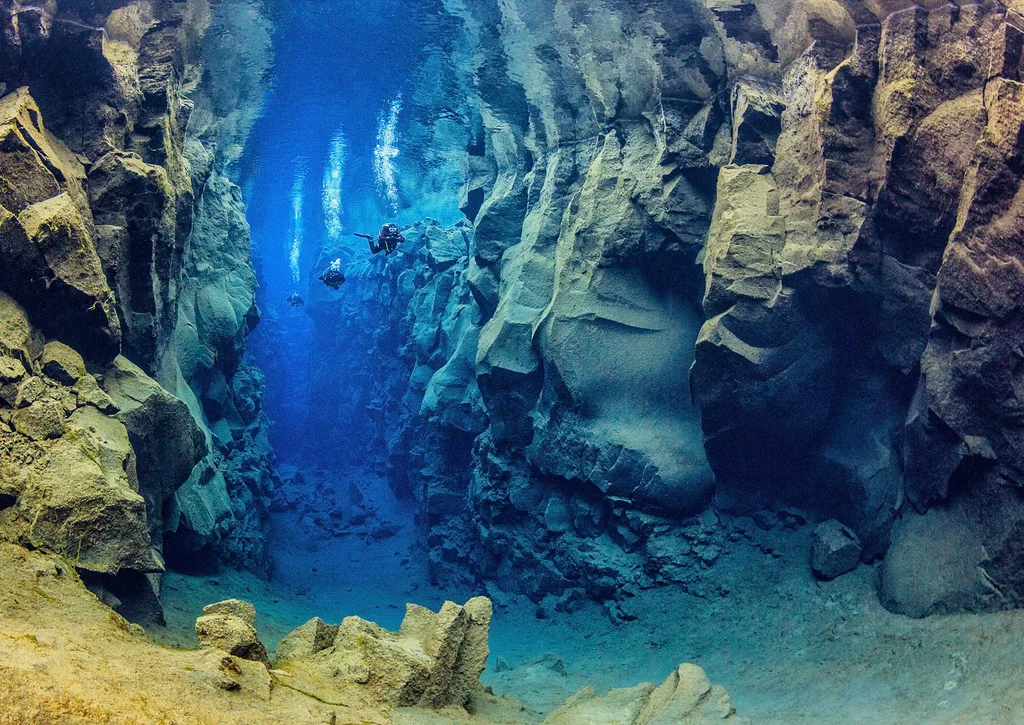
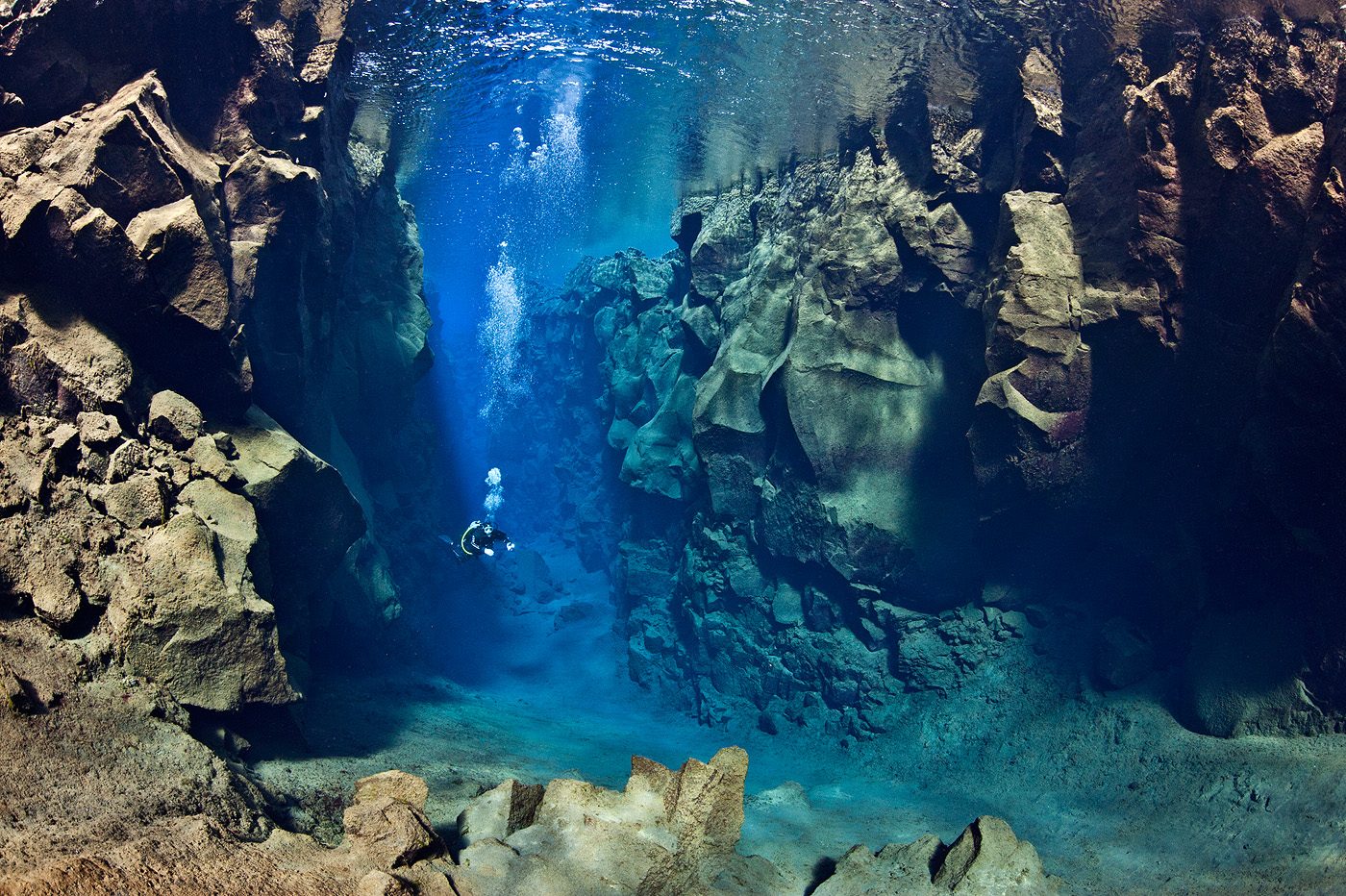
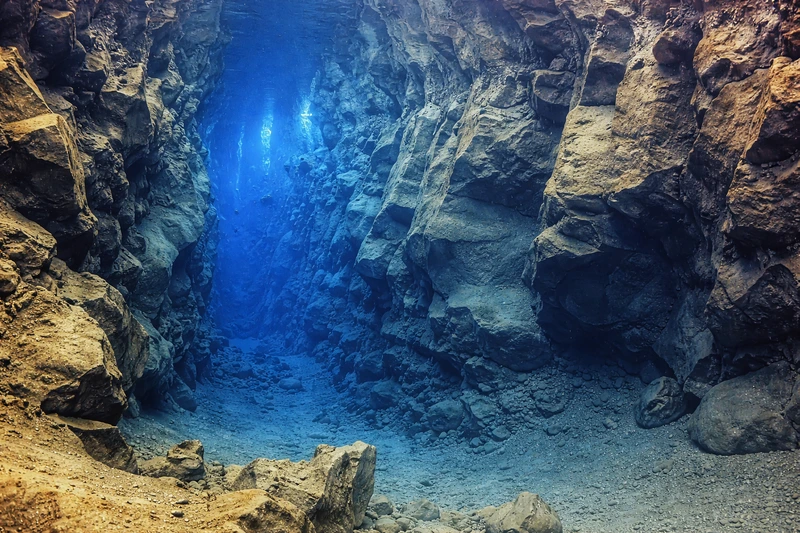
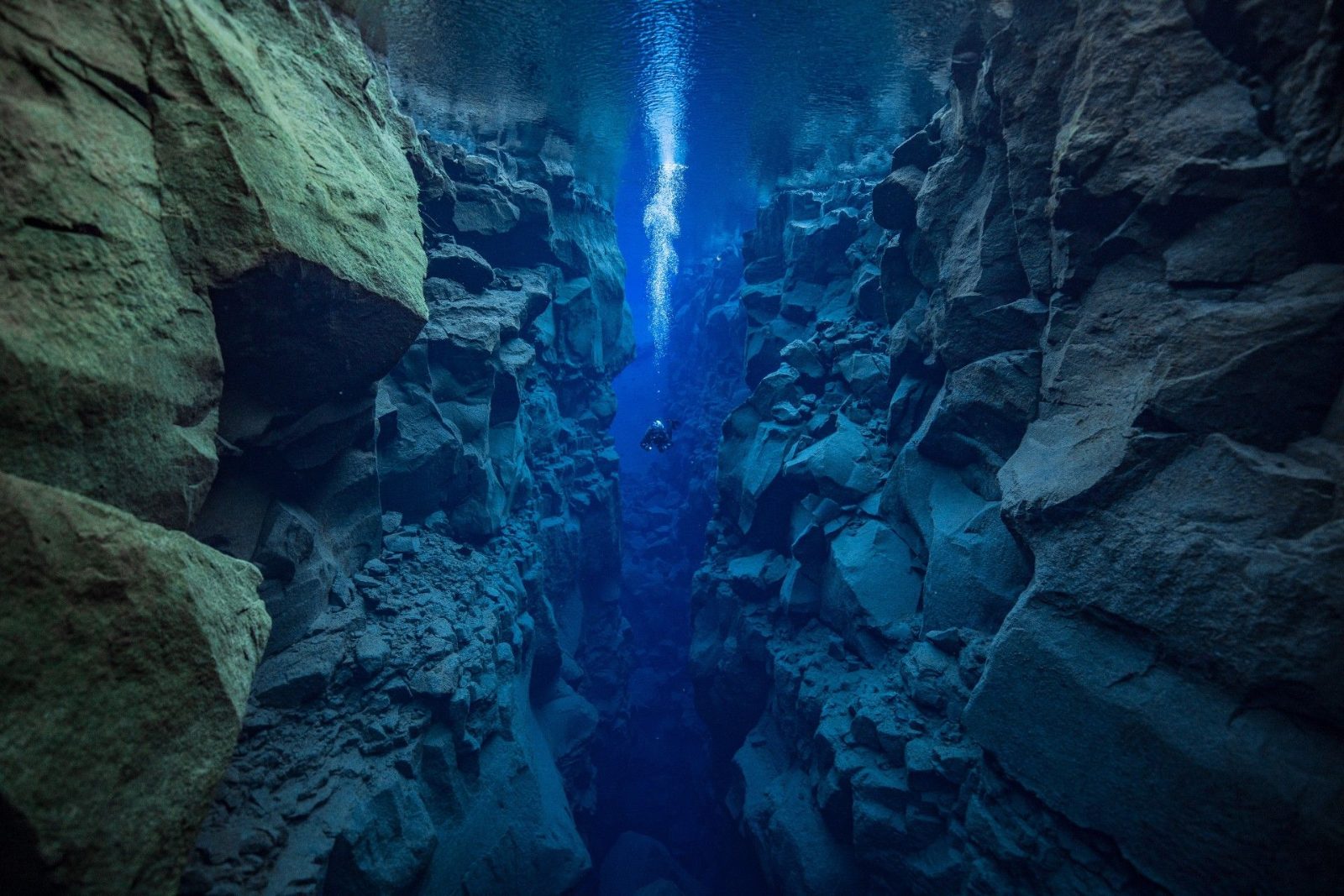
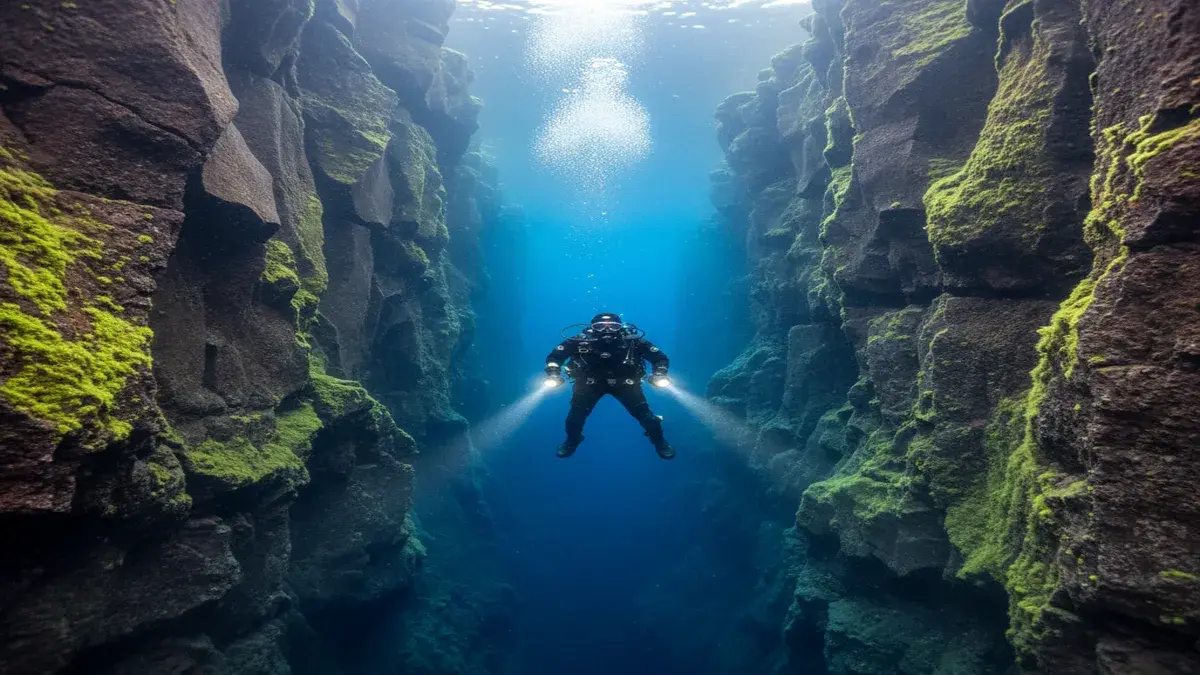
At 100 meters long, this is the most dramatic section of the dive route. The vertical lava walls plunge 20 meters deep, and the visibility is so clear that divers can see from one end of the corridor to the other. The water here maintains a constant temperature of 2°C to 4°C.
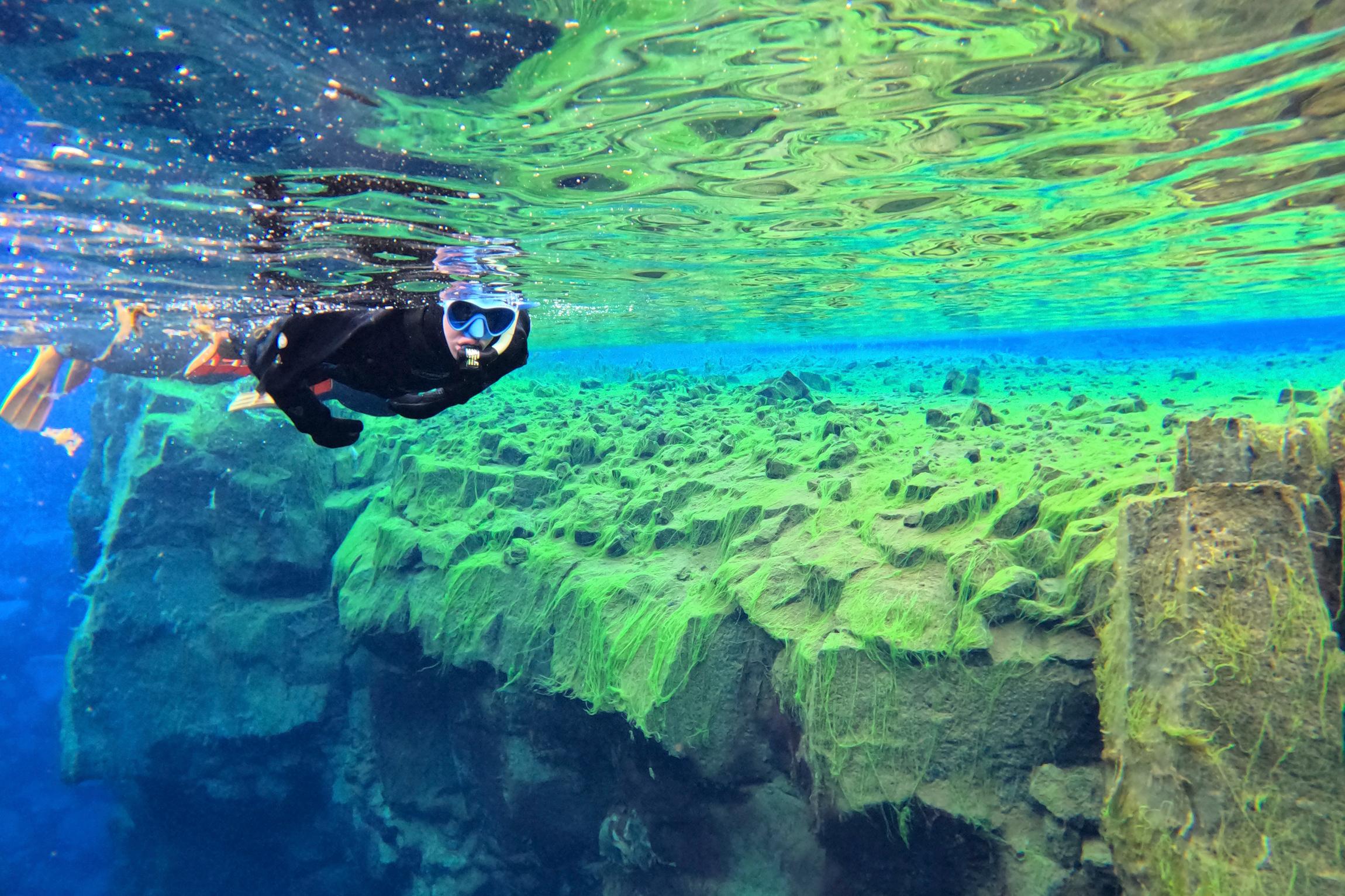
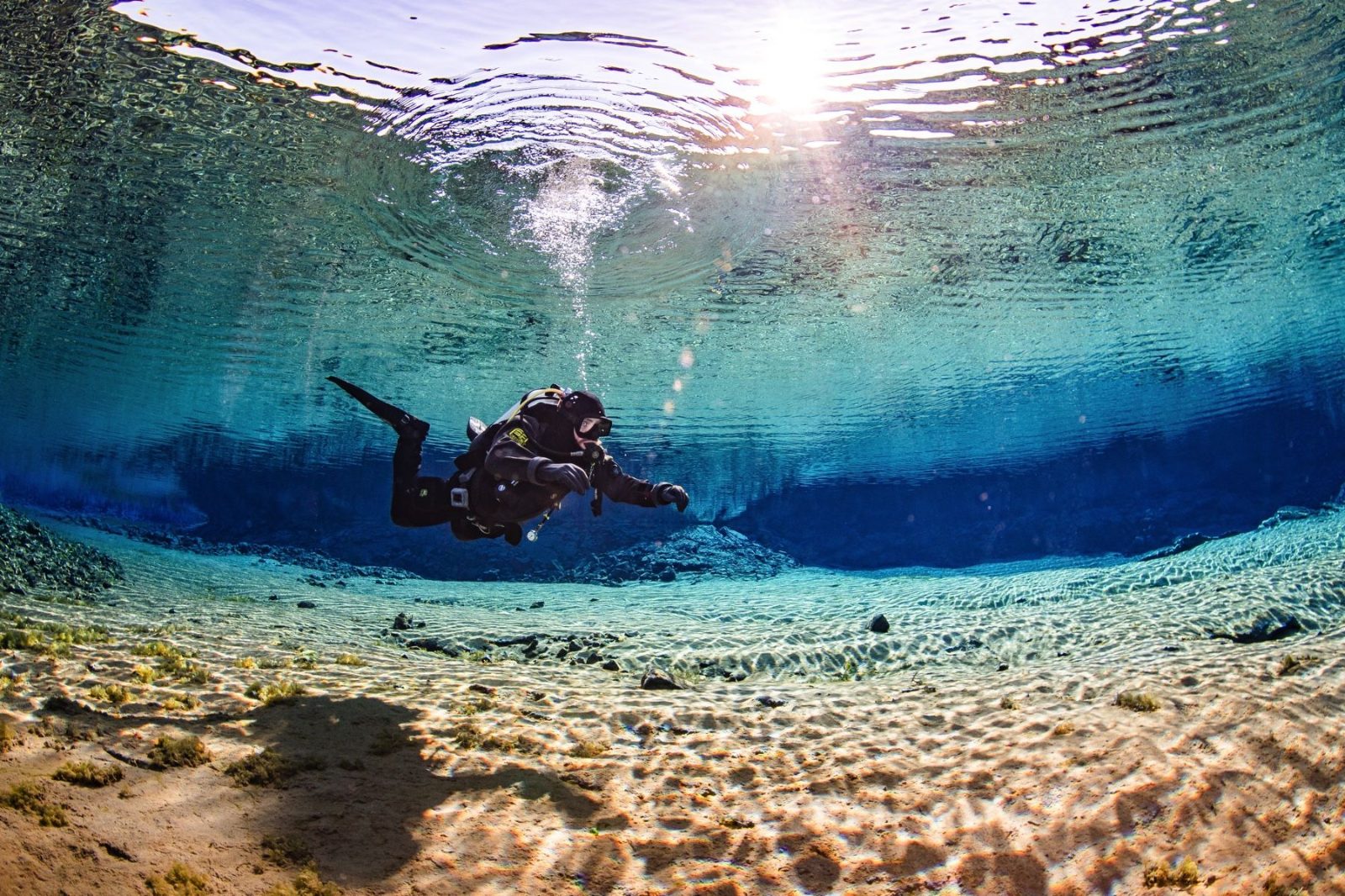
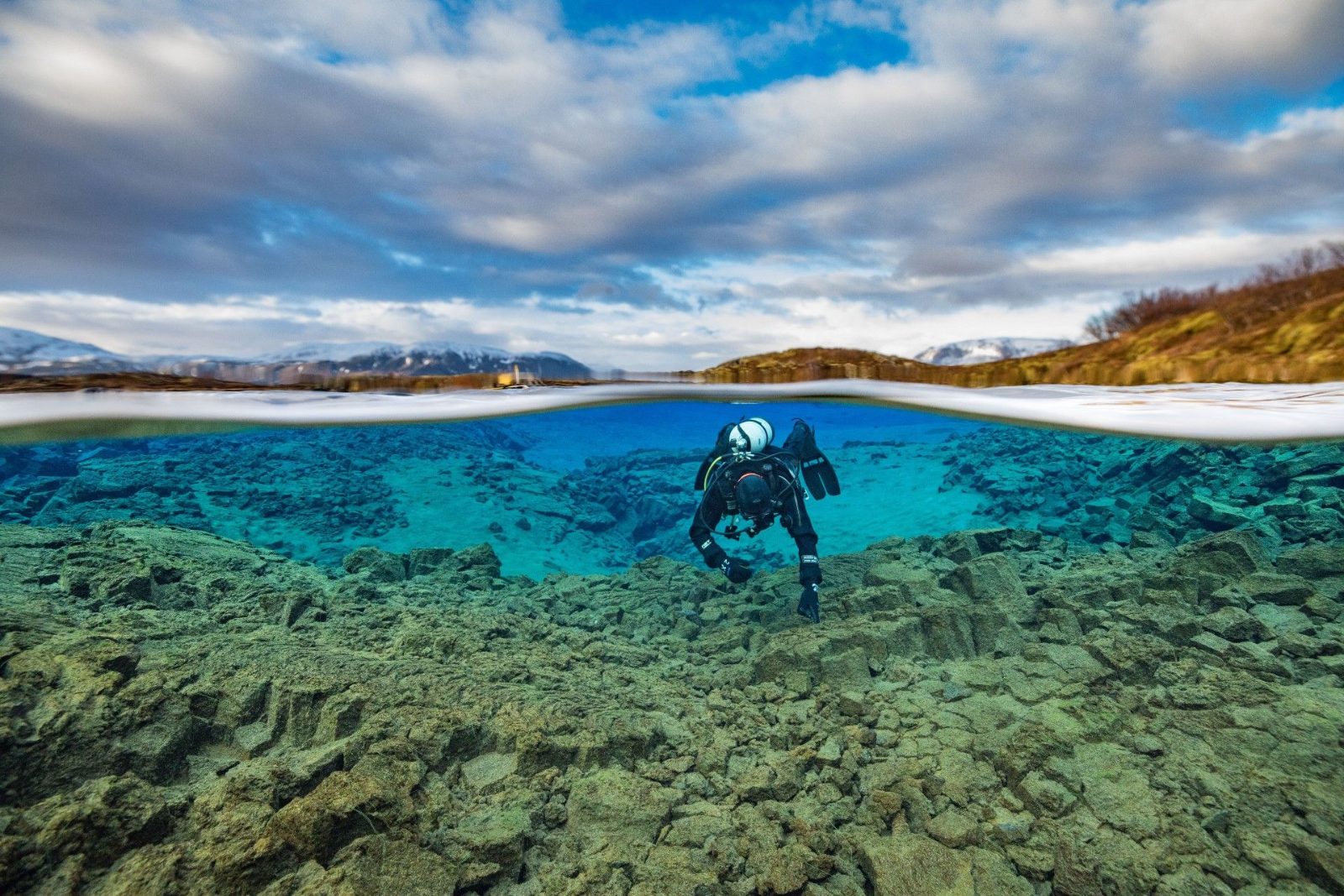
This wide and shallow basin marks the final section of the dive, stretching 120 meters across. Bright green algae, often called troll hair, covers the bottom and thrives under the direct sunlight. The maximum depth here is only 2 to 3 meters, offering a relaxed end to the journey.
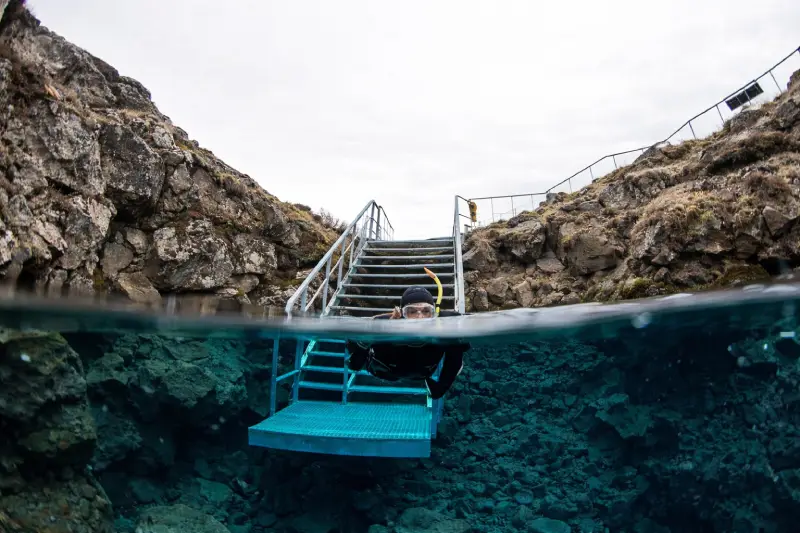
The starting point for all tours features a custom-built metal staircase leading to a submerged staging deck. This structure protects the fragile moss and volcanic soil from erosion while allowing divers to adjust their gear. The walk from the main parking lot to this point is approximately 100 meters.
You leave Reykjavík early or drive yourself to the Þingvellir car park, aiming to arrive between 09:00 and 14:00 for the strongest daylight through the water. A guide checks your paperwork and the 1,500 ISK permit, then hands you thermal undergarments.
You pull them on over your own base layers in the gravel lot, wind moving across the lava field behind you.
The drysuit takes fifteen minutes and two people. Your neck seal tightens. You waddle to the platform, fins in hand, and take the metal steps down until the water closes around your hood and your face registers two degrees. You breathe. Then you look down, and the floor is nine metres away and perfectly legible.
The current carries you. You barely kick. Walls of basalt slide past in the Big Crack, close enough to touch both sides at once, then open into Silfra Hall. You hold position over the Cathedral and count how far you can see — further than you can measure. Green algae combs the shallows as you drift into the lagoon.
You climb out at the exit stairs, hands stiff, and walk the marked path back. Hot chocolate is waiting. Your silfra fissure scuba diving photos arrive by email that evening, if you booked the option that includes them.
All the details about your upcoming adventure in one place
The water in Silfra fell as snow on Langjökull glacier roughly thirty to one hundred years before a diver ever touches it. It travels underground the whole way, filtering through porous lava rock across some fifty kilometres of the Icelandic interior. The rock strips it of sediment.
What surfaces in the fissure is glacial meltwater of extraordinary clarity, holding a steady two to four degrees Celsius through every month of the year.
Silfra itself is a rupture, not a river. It opened in the Þingvellir rift valley where the North American and Eurasian plates pull apart at about two centimetres a year. Icelandic records date the fissure's formation to an earthquake in 1789, when the valley floor subsided and the crack reached the groundwater table. The name translates roughly as the silvery one. Anyone considering silfra fissure scuba diving is looking at a geological wound that is still widening.
The surrounding ground carries older weight. Þingvellir hosted the Alþingi, the Icelandic assembly, from 930 until 1798, making it one of the oldest parliamentary sites in the world. Chieftains met at the Lögberg, the Law Rock, where laws were recited aloud from memory. UNESCO inscribed the park as a World Heritage Site in 2004, citing both the assembly grounds and the rift landscape. The fissure sits within that protected boundary, which is why access is regulated and a permit applies rather than a simple gate fee.
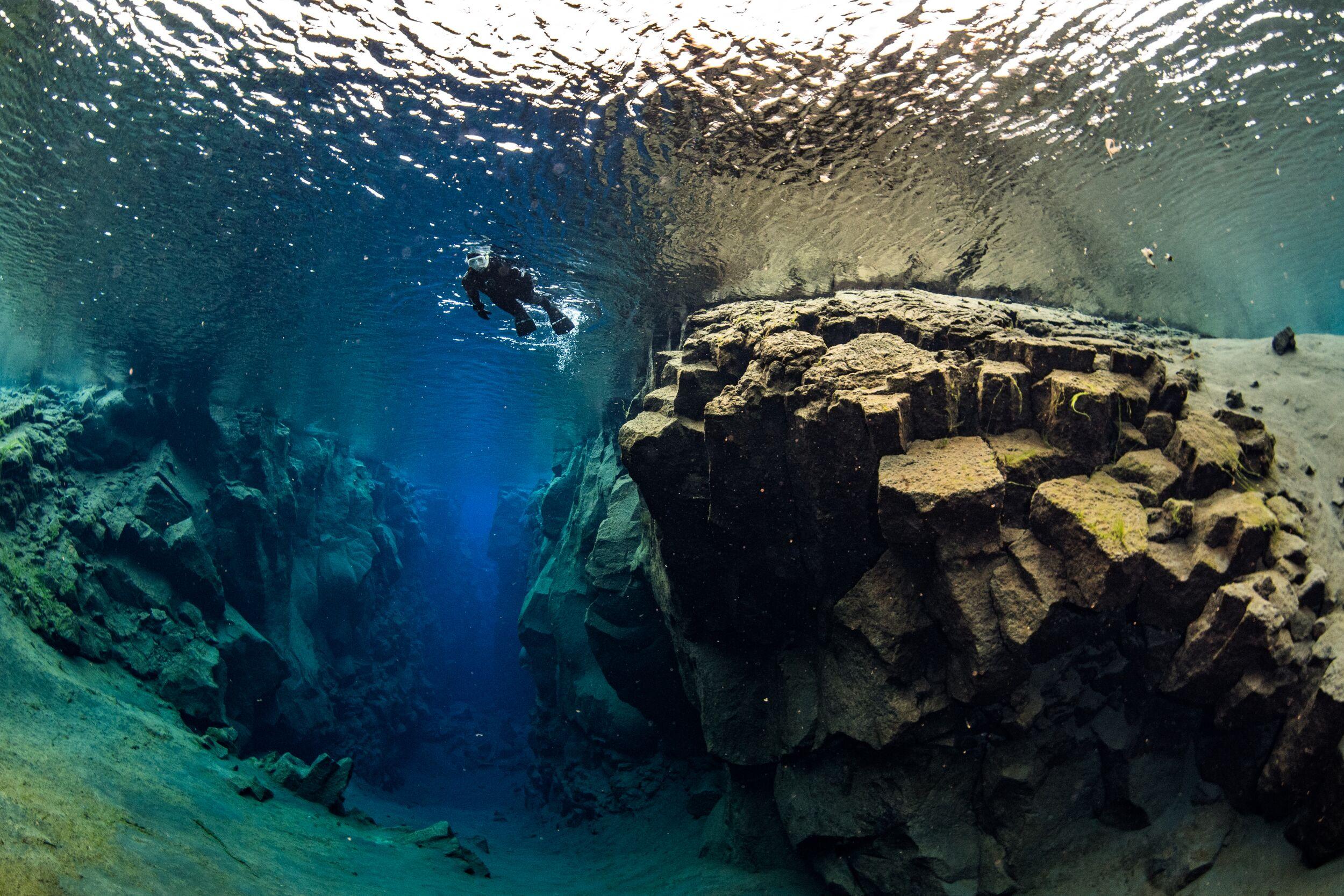
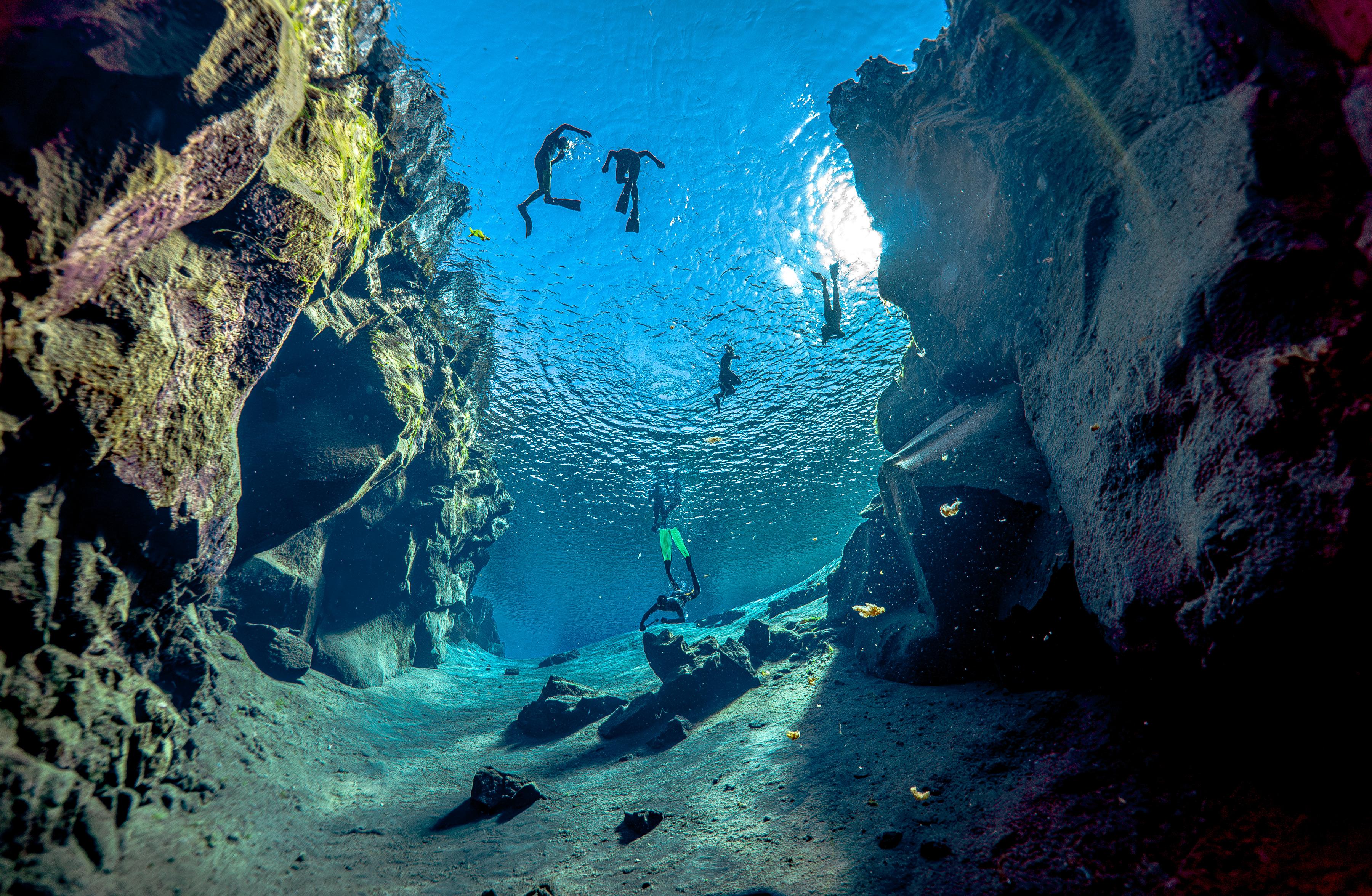
Divers describe Silfra in four named sections. The Big Crack narrows to a metre in places, close enough to press a palm against each wall. Silfra Hall opens into a broad chamber of stacked basalt. The Cathedral runs roughly a hundred metres with visibility that has been measured beyond that distance. Silfra Lagoon ends the drift in shallow water, where neon-green Nostoc algae — troll hair, in local usage — sways over pale sand. Silfra fissure scuba diving tours run drysuit-only for thermal reasons, requiring certification, while the snorkel routes on this page cover the same corridor from the surface. Entry is by the metal platform steps at the northern end. The permit for either activity is 1,500 ISK per person, issued by Thingvellir National Park. The rift keeps opening regardless.
Silfra is a rupture, not a river — a geological wound that is still widening.
Divers must wear thermal underwear and thick wool socks as a base layer underneath the dry suit. A tight-fitting neoprene hood and gloves are provided to protect against the 2°C to 4°C glacial water. Avoid wearing bulky cotton clothing, which reduces dry suit flexibility and thermal efficiency.
There are no locker facilities or changing rooms at the Silfra Fissure site. Dive operators recommend leaving large bags and valuables inside your locked rental car or the operator's tour vehicle. Small items can be kept in dry bags provided by guides at the staging area.
Cameras are permitted but must be waterproof and secured with a wrist strap or lanyard to prevent them from sinking. Selfie sticks and large rig setups are prohibited as they interfere with buoyancy control and safety. Guides will often take photos during the tour, which are typically shared digitally afterwards.
Due to safety regulations, children under the age of 17 or 18 (depending on the operator) are not permitted to participate in scuba diving tours. Legal guardians must sign a waiver for minors under 18 years old.
For safety reasons, Silfra Fissure scuba diving requires participants to be physically fit and able to walk about 400 meters while wearing heavy dive gear. The entry and exit points involve descending and ascending metal staircases with platforms. This activity is not suitable for wheelchair users or individuals with mobility restrictions.
Eating and drinking are not allowed while in the water or during the gear fitting process. Tour operators typically provide hot chocolate and cookies at the end of the dive to help warm you up. No food or beverage outlets are located directly at the dive site, but a café is available at the nearby Thingvellir Visitor Centre.
Opening Hours
00:00–23:59
Address
Thingvellir National Park, 806 Bláskógabyggð, Iceland
Best Arrival Window
09:00–14:00
Official Website
https://www.thingvellir.is
Permit Fee
1,500 ISK per person
Car · 50 minutes · 1,000 ISK parking fee
Drive east from Reykjavik along Route 36 directly to Thingvellir National Park, parking at the designated P5 lot near the fissure.
Taxi · 50 minutes · 25,000 ISK
Private taxi services can be hired from Reykjavik, though this option is significantly more expensive than renting a car or booking a guided tour with transport.
Shuttle Bus · 60 minutes · Included in transport package
Book a guided diving tour that includes round-trip shuttle transportation from central Reykjavik hotels or designated tourist bus stops.
Cancellations made at least 24 hours before the scheduled activity receive a full refund, including the 1,500 ISK permit fee. Cancellations within 24 hours or no-shows are entirely non-refundable.
Recommended time
3 hours (on-site)
Experiencing silfra fissure scuba diving requires about three hours on-site when meeting at the national park, allowing sufficient preparation time for the cold water. This duration covers a detailed drysuit fitting, a comprehensive safety briefing, and roughly 45 minutes of subaquatic exploration between the tectonic plates. If you purchase self-drive silfra fissure scuba diving tickets, aim to arrive during the peak daylight hours to guarantee the best underwater visibility. Standard dive slots during a Thingvellir diving excursion are highly structured to prevent bottle-necks at the entry platform and ensure safety. Booking group silfra fissure scuba diving tours will ensure you have a certified guide leading you through the rift at a comfortable pace.
Crowd levels through the day
Weather · crowds · average price — dots go green to amber to red as each metric rises.
With nearly 24 hours of daylight, summer offers the most flexible tour slots and warmest air temperatures, though underwater temperatures remain a constant 2°C to 4°C. Visibility is exceptional, and the surrounding park is lush and green.
Crowds begin to thin during autumn, and the vegetation in Thingvellir National Park turns vibrant shades of orange and red. Daylight remains sufficient for multiple dive slots, but air temperatures start to drop rapidly.
Winter diving offers a unique experience with snow-covered landscapes contrasting against the deep blue water. Daylight hours are limited to 4-5 hours per day, meaning bookings must be secured well in advance.
Spring sees increasing daylight hours and manageable tourist numbers. The snow begins to melt, but the underwater visibility remains pristine as glacier runoff has not yet impacted the main spring sources.
If you wear prescription glasses, they will not fit under the diving mask. Switch to contact lenses for the day to ensure a proper mask seal during your Silfra Fissure scuba diving.
Select snug thermal undergarments and thick wool socks. Avoid cotton or bulky fabrics, which can trap air and make buoyancy control difficult during Silfra Fissure scuba diving.
The freshwater environment has lower buoyancy than seawater, and there is no descent line. Maintain steady breathing and minimal movement to avoid scraping the fragile volcanic rock during Silfra Fissure scuba diving.
You will be in a sealed dry suit for up to two hours with no restroom access. Hydrate well the day before, but limit fluid intake immediately before the dive.
Even with a high-quality dry suit, small leaks can occasionally happen around the neck or wrist seals. A spare set of warm underwear and socks is essential.
Ensure you have your physical or digital dive cards ready to show the guide. Operators must verify your dry suit credentials before allowing you to gear up.
Thingvellir National Park, 806 Bláskógabyggð, Iceland
Park at P5 and walk 5 minutes to the meeting area where the operator vans are parked.
Get directionsThe rift did not open gently. On 27 March 1789, a sequence of earthquakes struck the Þingvellir plain during the sitting of the Alþingi's successor assembly. The valley floor dropped roughly one metre in ten days. A fresh fracture split the lava field north of Þingvallavatn, and the fissure now known as Silfra was born from that subsidence. The North American and Eurasian plates had been drifting apart for millennia; the 1789 event simply made the wound visible. Water arrived from elsewhere. Meltwater from Langjökull, some fifty kilometres north, travels underground through porous basalt for an estimated thirty to one hundred years before surfacing in the fissure. That filtration explains the visibility figures — frequently cited above one hundred metres — that made silfra fissure scuba diving a subject of serious interest to divers from the 1970s onward. Iceland's first recorded exploratory dives here were undertaken by local club members in that decade, largely undocumented. In 1970 the shallow Silfra section was partially dammed by the Efra-Sog hydroelectric works upstream, altering flow through Þingvallavatn. Regulation followed incident. Fatalities in the fissure between 2010 and 2013 prompted Þingvellir National Park to introduce mandatory certification checks, guide ratios and drysuit experience requirements. The park had already been inscribed as a UNESCO World Heritage Site in 2004 for its assembly grounds, not its geology, and administrators were slow to reconcile the two. A permit system was formalised, and today silfra fissure scuba diving tickets carry a park charge of 1,500 ISK per person, payable for diving or snorkelling alike. What survives is unusually intact. The Silfra Hall, Silfra Cathedral and Silfra Lagoon sections retain the same platform-and-exit layout used since the 2011 works. Any silfra fissure scuba diving tour, and the wider family of Thingvellir snorkelling excursions and continental-rift diving tours, still enters at the same staircase. Book Silfra tours through the operators listed above.
Ten days of earthquakes drop the Þingvellir valley floor about one metre and open the Silfra fracture.
Þingvellir is designated Iceland's first national park, placing the fissure under state protection.
Hydroelectric works at Efra-Sog alter water flow through Þingvallavatn upstream of the fissure.
Icelandic dive club members carry out the first recorded exploratory dives into Silfra.
UNESCO inscribes Þingvellir as a World Heritage Site for its assembly grounds and rift landscape.
A series of fatalities prompts the park to impose certification, guide-ratio and drysuit rules.
Fixed entry stairs and exit platforms are installed, fixing the route still used today.
A 1,500 ISK park permit remains required per person for diving or snorkelling in the fissure.
This is the narrowest point of the rift, where you can photograph a dry suit diver touching both tectonic plates. Capture the dramatic rock walls using a wide-angle lens during your silfra fissure scuba diving adventure.
A wider cavern section filled with massive fallen lava rocks and boulders on the floor. The light filtering from above creates a bright blue corridor, ideal for showing the scale of the canyon during silfra fissure scuba diving tours.
The deep chasm has near-infinite water clarity and ends in a dramatic sand slope. Shoot looking straight down the 100-meter-long canyon to capture the deep indigo hues and rising bubble chandeliers from a silfra fissure scuba diving tour ahead of you.
This shallow basin offers the most apparent clarity, allowing you to shoot across a 120-meter span of algae-covered rocks. Ensure you purchase your silfra fissure scuba diving tickets well beforehand to secure your entry slot at this UNESCO site.
Visiting this geologic wonder with kids requires careful planning due to strict safety restrictions. Booking silfra fissure scuba diving tickets is only possible for older children who meet the rigid age and physical requirements.
Snorkeling requires children to be at least 12, whereas a silfra fissure scuba diving tour is restricted to ages 17 or 18 and up. Divers must hold a PADI Open Water card. Minor teens must be accompanied by an adult.
Participants must weigh 45–120 kg and stand 150–200 cm tall so the neoprene seals fit. If kids are too small, their drysuit will leak in the cold glacial water.
Parents with younger kids can explore the walking trails near the tectonic plates. Rather than booking silfra fissure scuba diving tours, families can visit the Thingvellir Visitor Center. One adult can walk to the waterfall while others join the Thingvellir diving tour.
Participants must pass a swim test and feel comfortable in deep water. Completing a silfra fissure scuba diving experience requires stamina to walk in heavy gear. Ensure your teens are confident swimmers before booking.
If you are planning to experience silfra fissure scuba diving, the food options nearby consist of quick park snacks and modern Nordic dining. Visitors often grab a hot drink on-site to warm up. Before or after enjoying one of the popular silfra fissure scuba diving tours, you can choose between park convenience and nearby fine dining.
Located at the park's main viewpoint, this spot serves traditional Icelandic meat soup, sandwiches, and hot coffee. It is ideal for a fast bite after completing your silfra fissure scuba diving tour in the cold glacial water. It gets busy during peak afternoon hours near major Golden Circle landmarks.
Situated about a 20-minute drive from the park, this venue offers upscale Nordic cuisine featuring local ingredients like Arctic Char. It is the perfect place to warm up and dine after securing your silfra fissure scuba diving tickets. Enjoy views of the surrounding lava fields and tectonic plates while you eat.
Everything you need to know for your journey
For Silfra tectonic rift diving, you must hold a PADI Open Water certification (or equivalent) and a dry suit certification or 10 logged dry suit dives within two years. These requirements ensure safety within the cold waters of Silfra Fissure.
No, wetsuits are not permitted for Iceland dry suit diving. If you do not have dry suit experience, you must complete a dry suit course before undertaking a Silfra Fissure scuba diving tour.
Yes, you must book your permit and slot in advance as daily entry is strictly capped. The fee is 1,500 ISK per person, which covers the park's conservation permit for Silfra Fissure.
The water temperature in Silfra Fissure remains a constant 2°C to 4°C (35°F to 39°F) year-round. This glacier water is filtered through lava rock, providing exceptional clarity.
Divers must weigh between 45 kg and 120 kg (99 to 265 lbs) and stand between 150 cm and 200 cm (4 feet 11 inches to 6 feet 7 inches) tall. These limits ensure the dry suits provided at Silfra Fissure fit properly.
Yes, you can bring an underwater camera, but it must be secured with a wrist lanyard. Staying focused on buoyancy control is critical while exploring Silfra Fissure.
Participants must sign a medical statement. Conditions like heart disease, lung conditions, or pregnancy disqualify you from entering Silfra Fissure.
The maximum allowed depth for Thingvellir National Park diving is 18 meters (60 feet). Most dives in Silfra Fissure average around 10 meters (32 feet) in depth.
To ensure safety and personalized attention, the ratio at Silfra Fissure is strictly limited to three divers per PADI guide.
Many operators offer optional pickup from Reykjavik for an additional fee. Alternatively, you can drive yourself to Thingvellir National Park and meet at the designated parking area.
If the tour is cancelled by the operator due to extreme weather, you will receive a full refund, including the 1,500 ISK permit fee. If you cancel, you must do so at least 24 hours in advance to receive a refund.
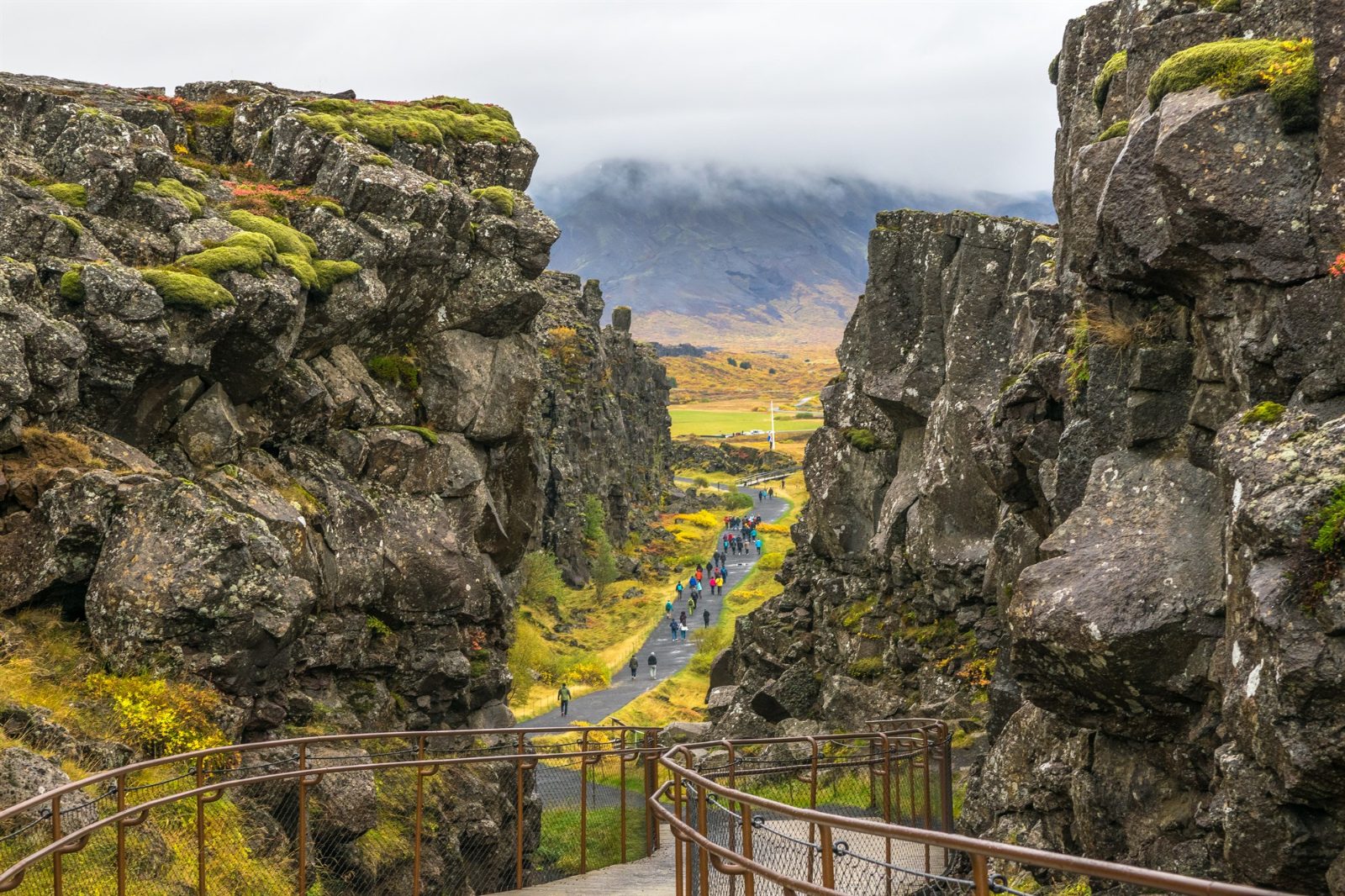
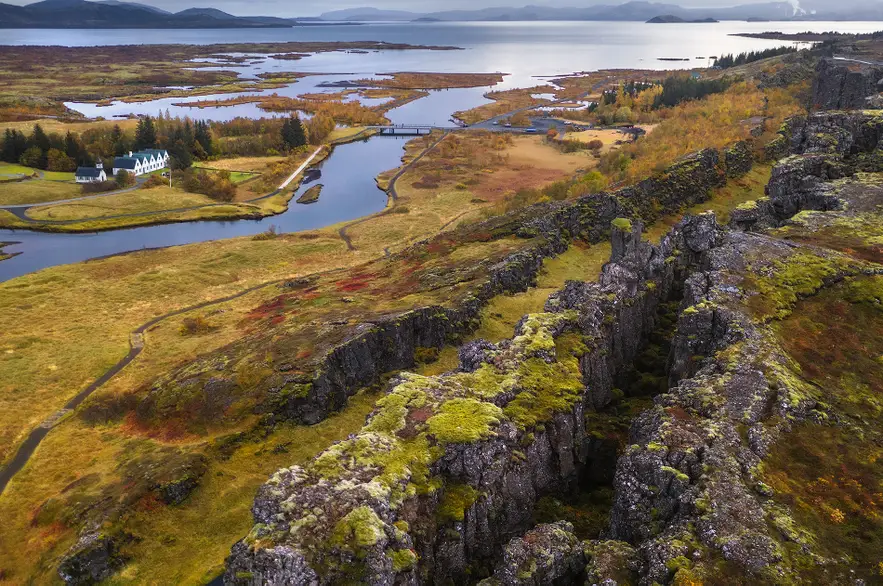
A massive gorge that marks the eastern boundary of the North American tectonic plate. Visitors can walk along the path inside the canyon where the ancient parliament met.
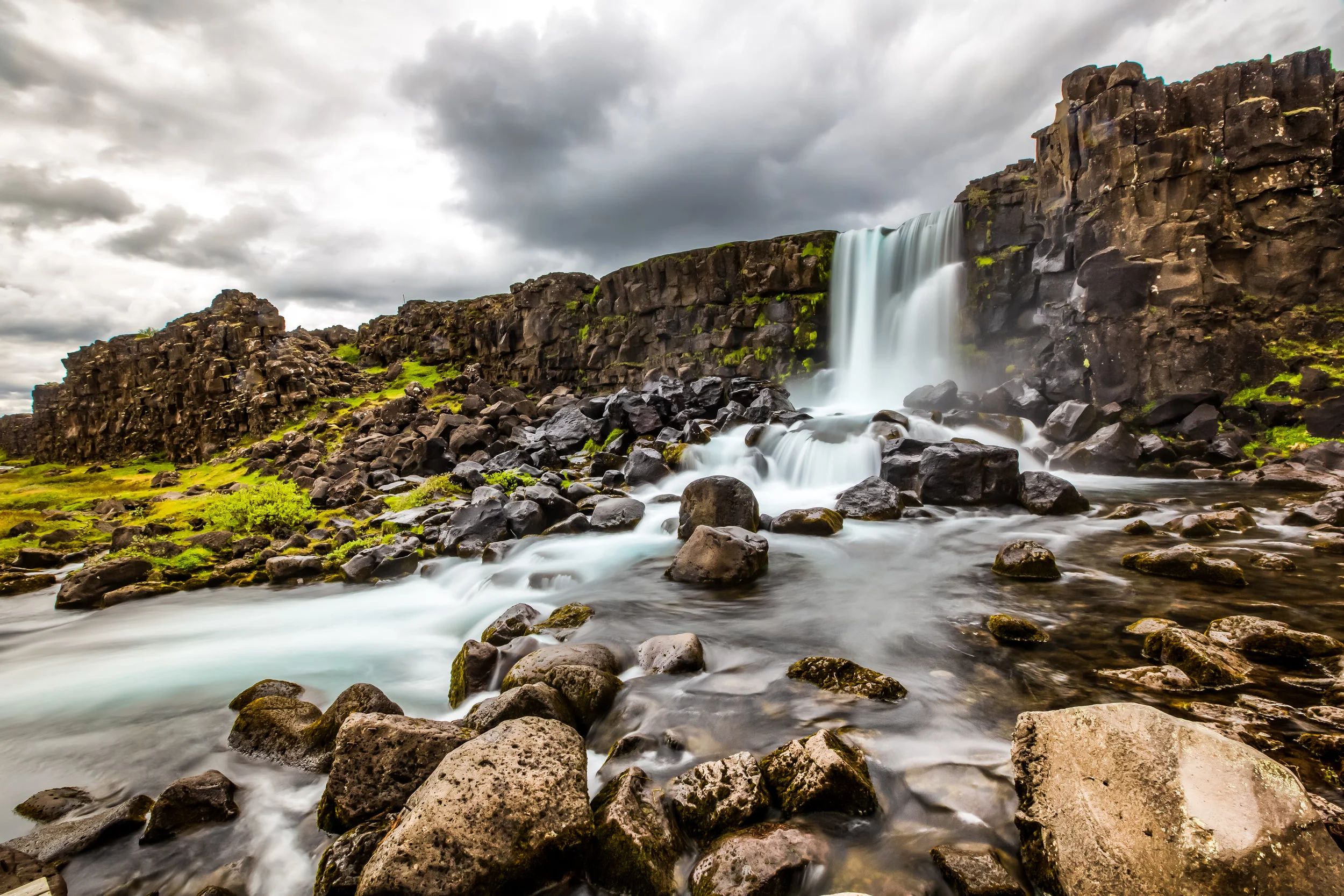
A scenic waterfall that flows over the edge of the Almannagjá gorge. It is fed by the Öxará river and features a wooden boardwalk for viewing.
Also known as the Law Rock, this historical site is where the speaker of the Althing parliament recited the laws to the assembly.
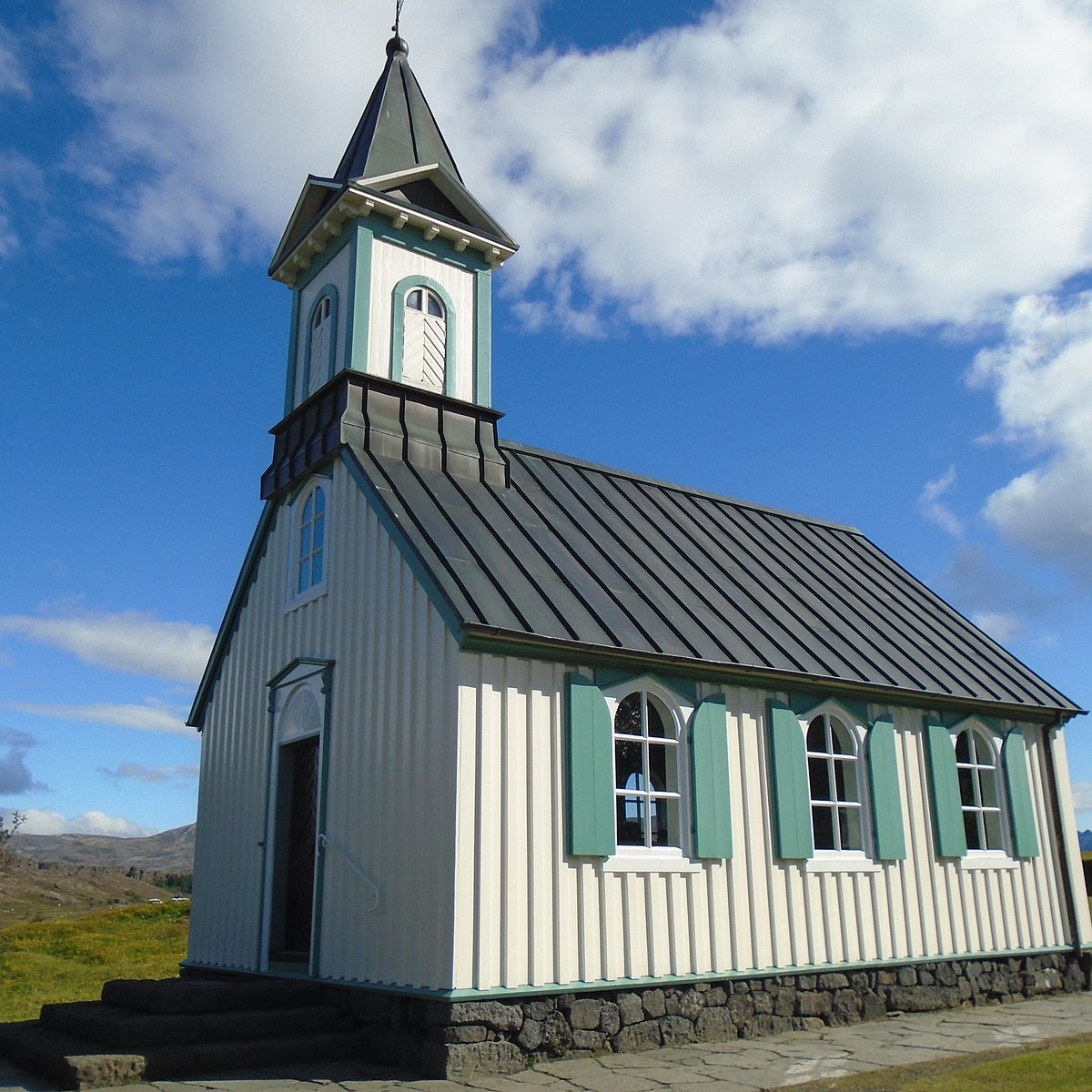
A picturesque wooden church built in 1859, standing near the ruins of older churches dating back to the 11th century.
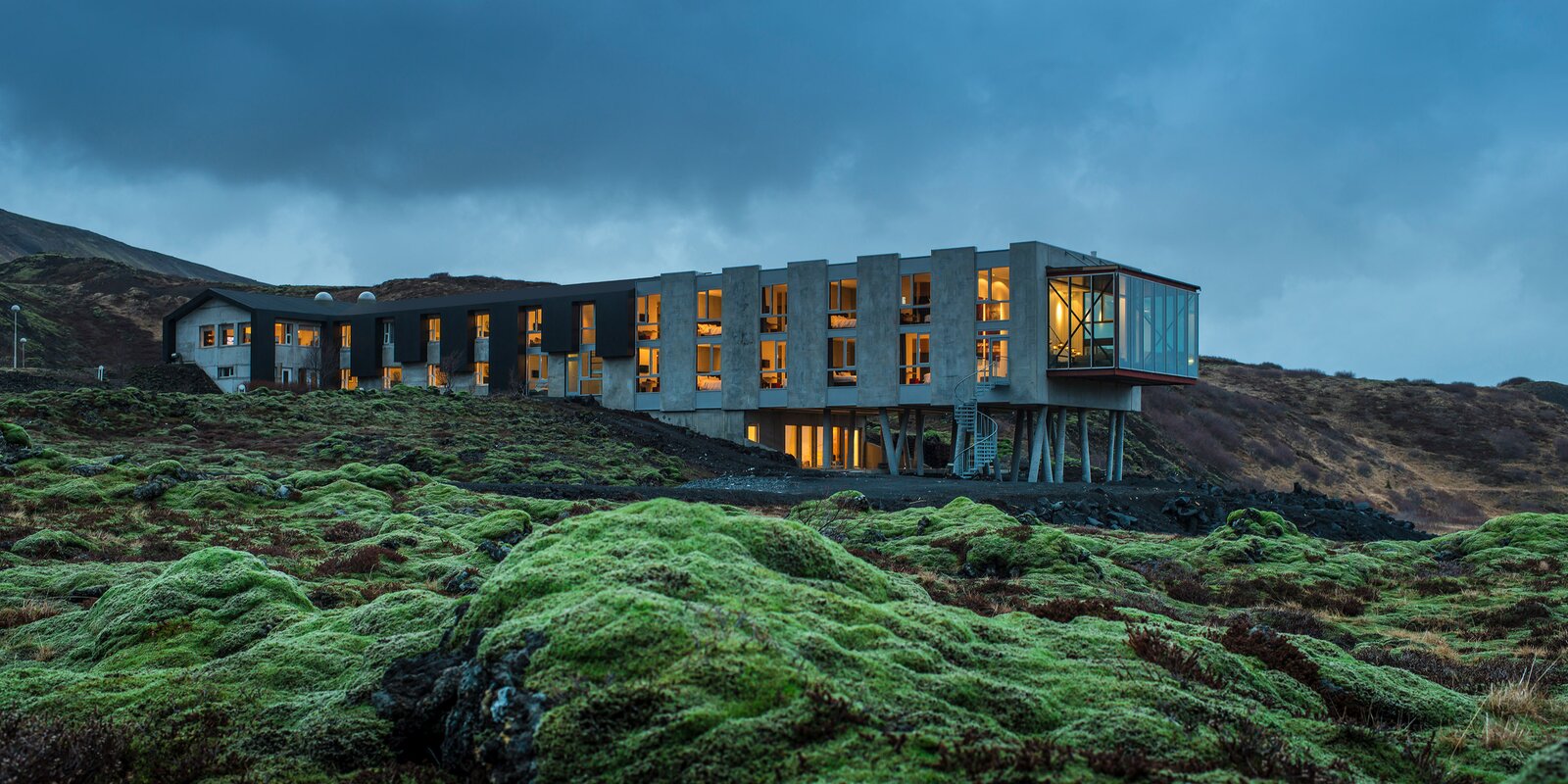
A design hotel located near Nesjavellir geothermal power station, featuring a spa and panoramic views of Lake Thingvallavatn.
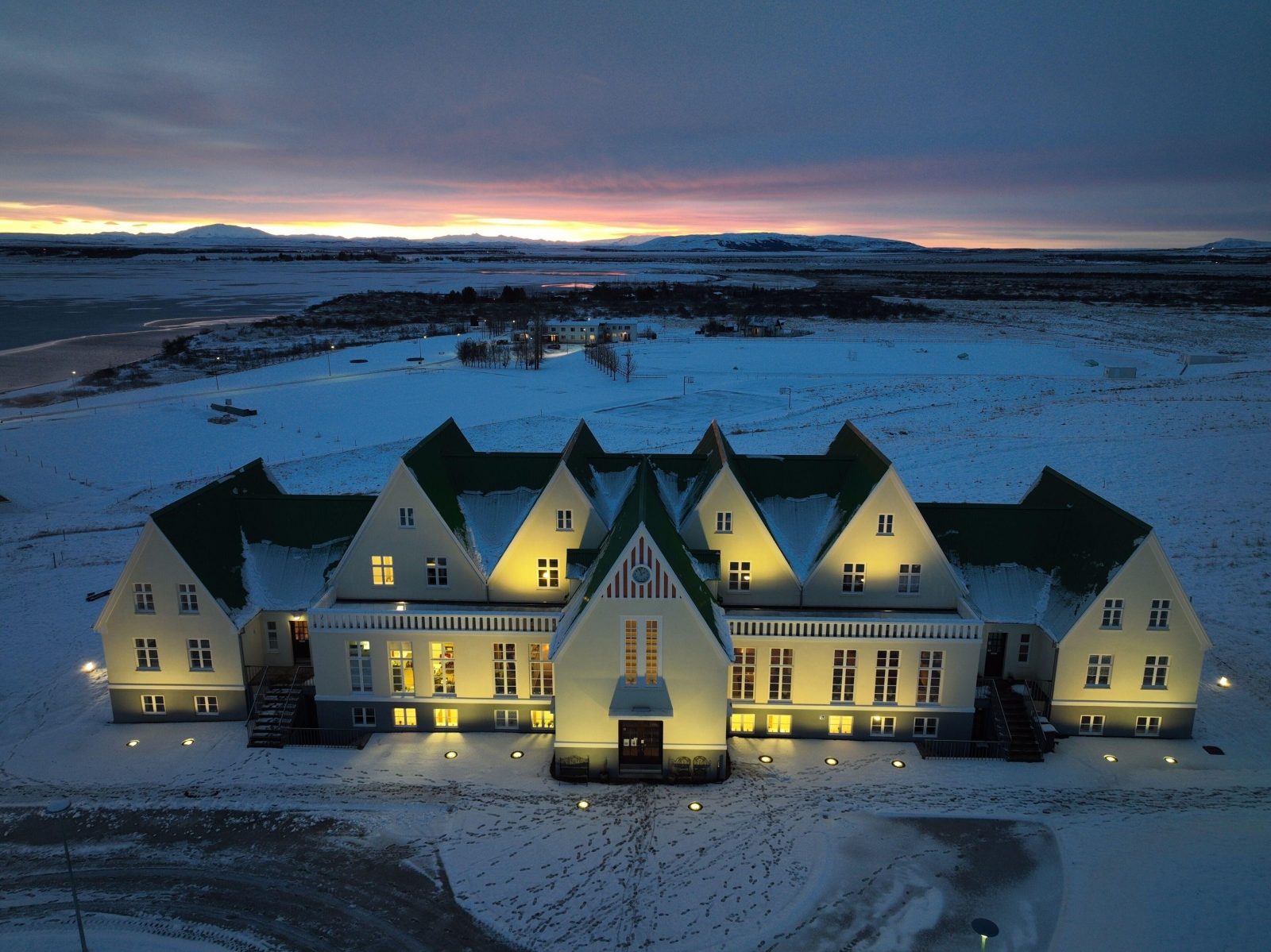
Set in a historic former school building in Laugarvatn, offering private rooms and hostel-style dormitories.
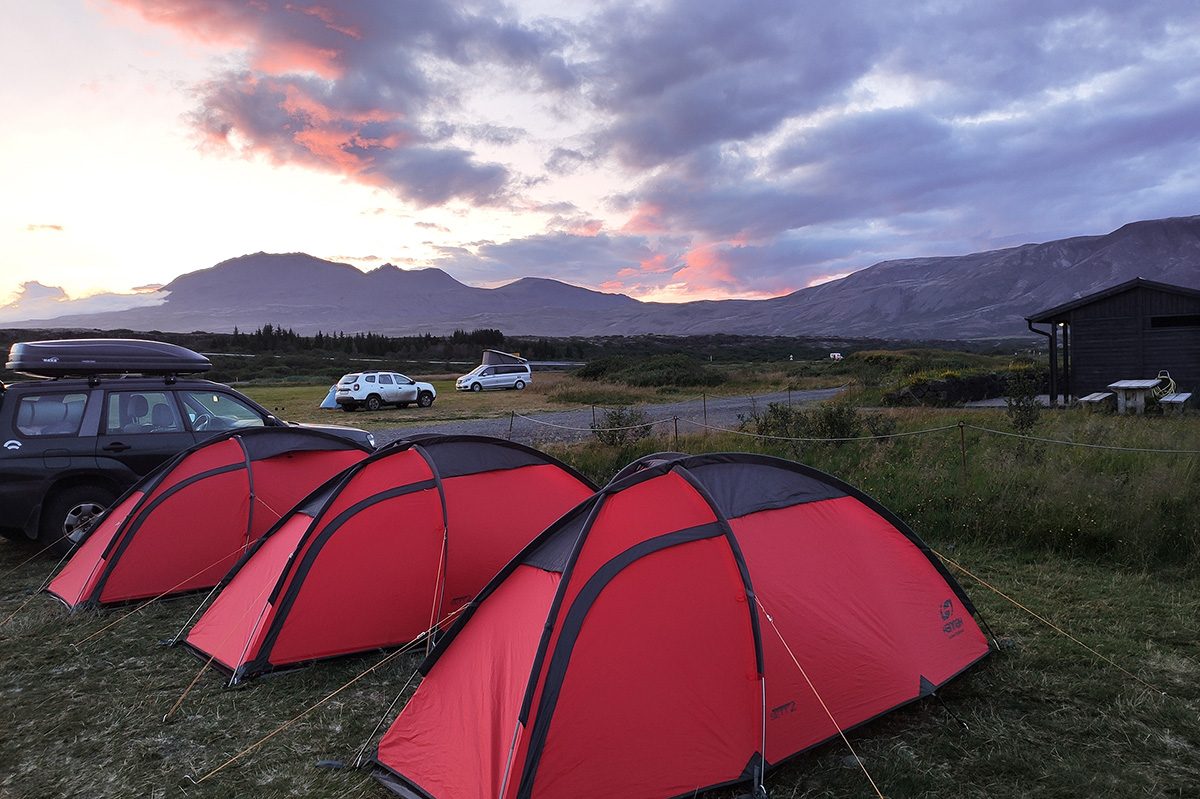
The official campsite within the national park, offering basic amenities, restrooms, and showers for tents and campervans.
Join thousands of happy travelers who have discovered this incredible experience
Book Your Experience Now